When talking about Cambodia, one of the first things you have to talk about is currency. Whilst they have their own (Cambodian Riel), the US dollar is also used. Often food and tickets are priced in dollar, but you can pay in either and/or both. The ATMs give you the option to take out both too. There have been a few times where we’ve gone to pay in dollar, not had enough, but have made up the rest in riel. It’s 4,000 Riel to $1 so it’s best to always keep that in mind.
We also discovered how hard Cambodia was hit by Covid. On our last night in Siem Reap we got chatting with two older guys – one originally from Kuwait and the other from Australia. The one from Kuwait has lived in Cambodia for 4 years, and the other lives here for 2 months of the year. They told us the bar we were all sat in had only opened 2 weeks ago, and how different it still was. The hostel had signs of a busy environment before Covid – chalk boards all over the walls advertised drinking and snooker challenges and a table with winners from all over the world. The last date was 2019, so clearly, they’re not back to their normal yet.
I did say at the end of the last blog that I would talk you through our journey into Cambodia, so if you’re interested, please read the section below.
Laos to Cambodia
For the first time on this trip, we travelled to a new country via land instead of air (mainly due to keeping costs down). The hostel in Pakse (Laos) offered a transport service with another company named Green Paradise and apart from the visa, this company takes care of everything. The service was quite expensive ($50 each) compared to other travel fees we’d encountered, but still a lot cheaper than flying.
Our hostel host ran us through the day and what we should expect. On the outset it sounded very confusing with lots of changing of buses, but she assured us it would all make sense. On the morning we left, we were introduced to a Dutch girl named Isa who would be doing the same journey. As she was on her own, I invited her to stay with us if she wanted, so she didn’t have to navigate the border alone. She took me up on the offer and was very thankful for it. She told me she had just left a big group of friends and was feeling apprehensive about being solo.
Firstly, a mini van drove us straight to the border. It took just over two and a half hours, and as is standard on these types of journeys, we collected other people along the way. At the border the driver told us to get out, and once the visa was done, to walk and another van would pick us up (he kind of waved his arm in the direction we’d need to go, so it wasn’t as vague as it sounds). During the journey, we got talking with a Vietnamese German named Kevin, and a New Zealander called Matt, and they ended up joining us, so we formed a mini group.
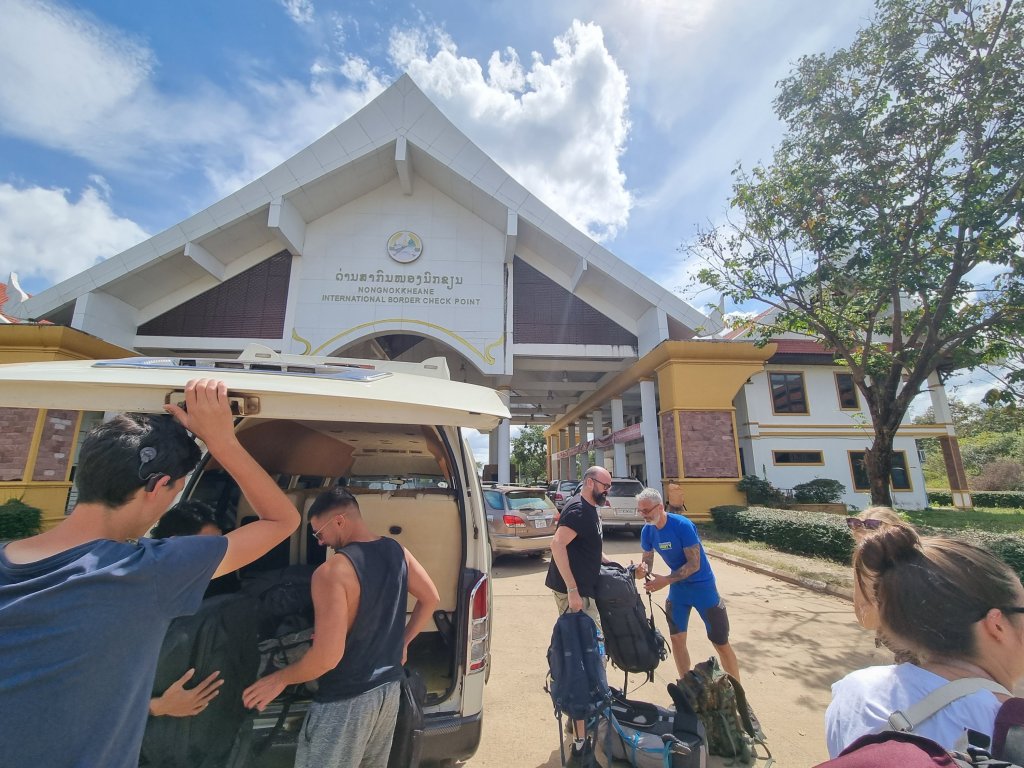
On the Laos end, the passport was checked, and our picture was taken. There was a $2 charge that everyone was asked to pay (no one knew what this was for) unless you didn’t have a certain departure form, and then it was $5. Luckily, we did have this form, as it came with the arrival form when we flew. Once sorted, we walked in the direction the driver had waved in. It was a bit like walking through no man’s land but wasn’t too far.
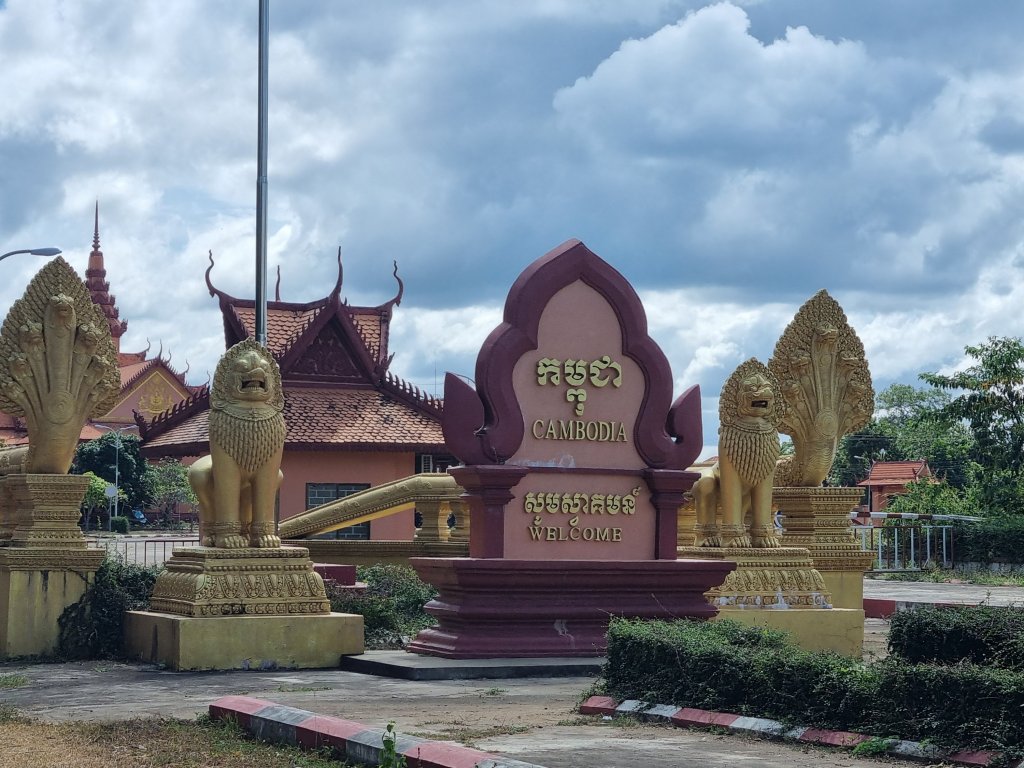
Now in the Cambodia end, we had to pay a $1 fee each (again, not sure why) and then move into a hall to fill in 2 small forms. The visa fee was €37 and we had to pass over the money, passport, and forms to a guy who then took them off somewhere. That part was slightly concerning as he wasn’t wearing a uniform, but our passports were returned about 5 minutes later with the visa stuck into it. After putting our bags through the world’s smallest scanner, we then moved onto the last section.
Like some airport border controls, here our fingerprints were scanned and a photograph taken. Then they stamped the passport, and we were done! It does seem a lengthy process, but didn’t feel too bad at the time. The next part of the journey was the part I was most concerned about – finding the van that would drive us into Cambodia. However, as we waited for Kevin to be done, a man announced himself to be with Green Paradise and showed us where we needed to go and wait.
Everyone was then piled onto a minivan and driven about an hour away. Here, we stopped for lunch before moving into one last van and going on to Siem Reap. A tuk tuk then transported Luke and I to our hostel at no extra cost.
📍 Siem Reap, Cambodia 🇰🇭
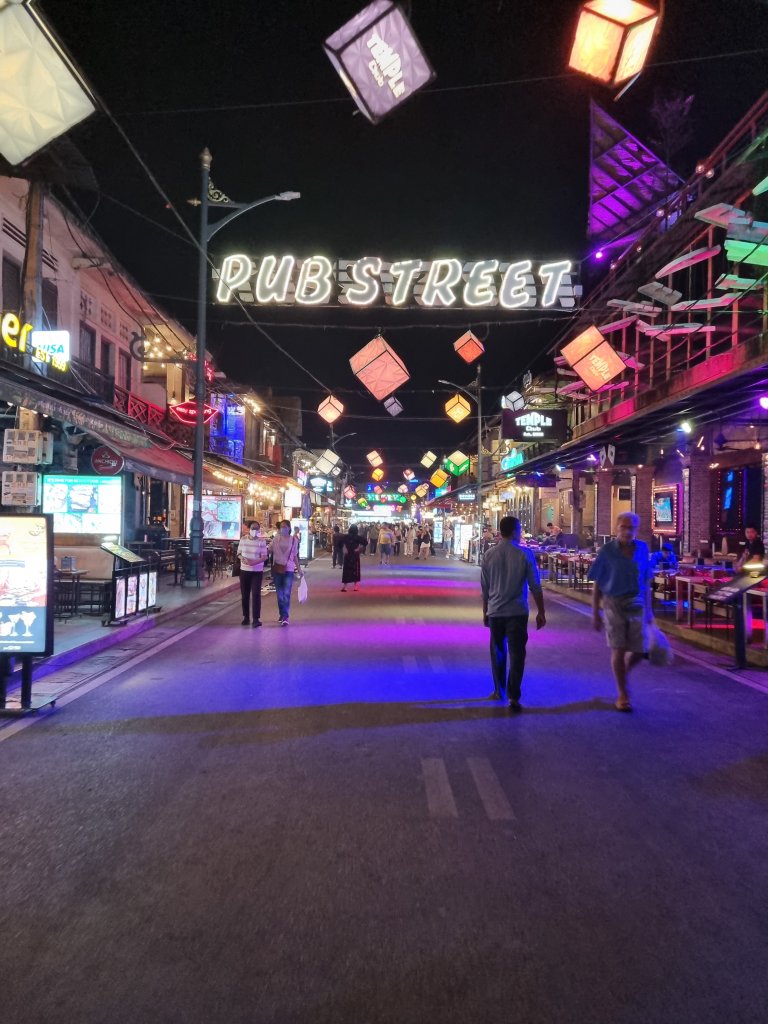
Siem Reap is an exciting city, famous for its temples and Pub Street. There are several cute alleyways adding character to the city, and whilst Pub Street is brimming with tourists, it doesn’t feel overwhelming or crowded.
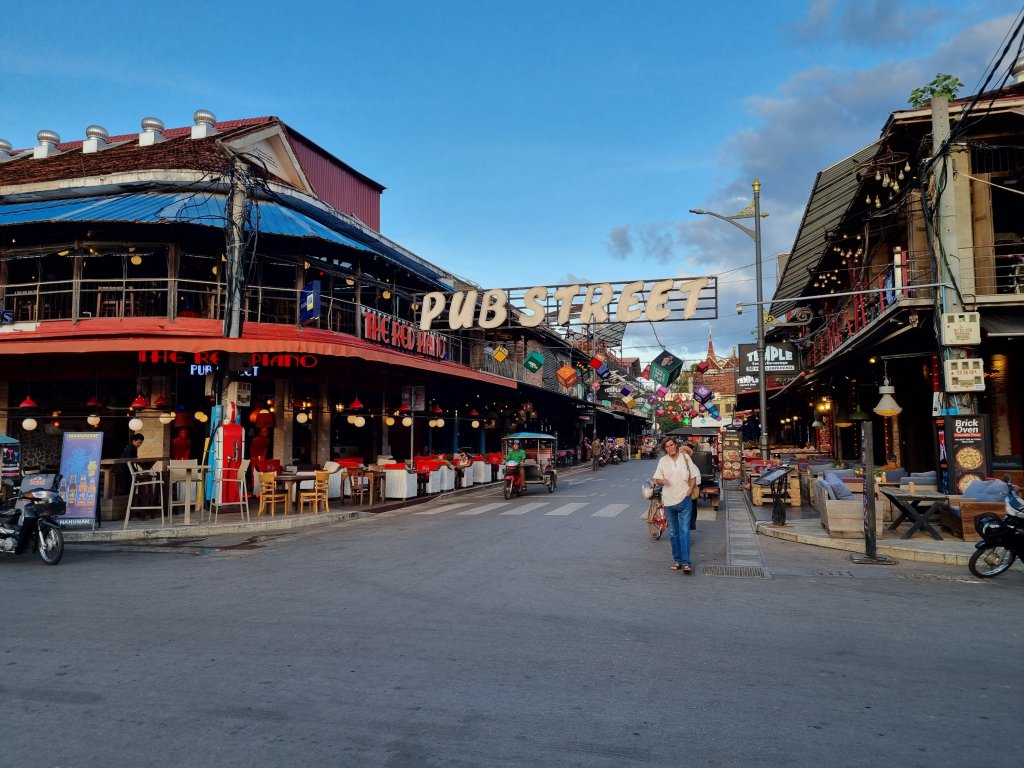
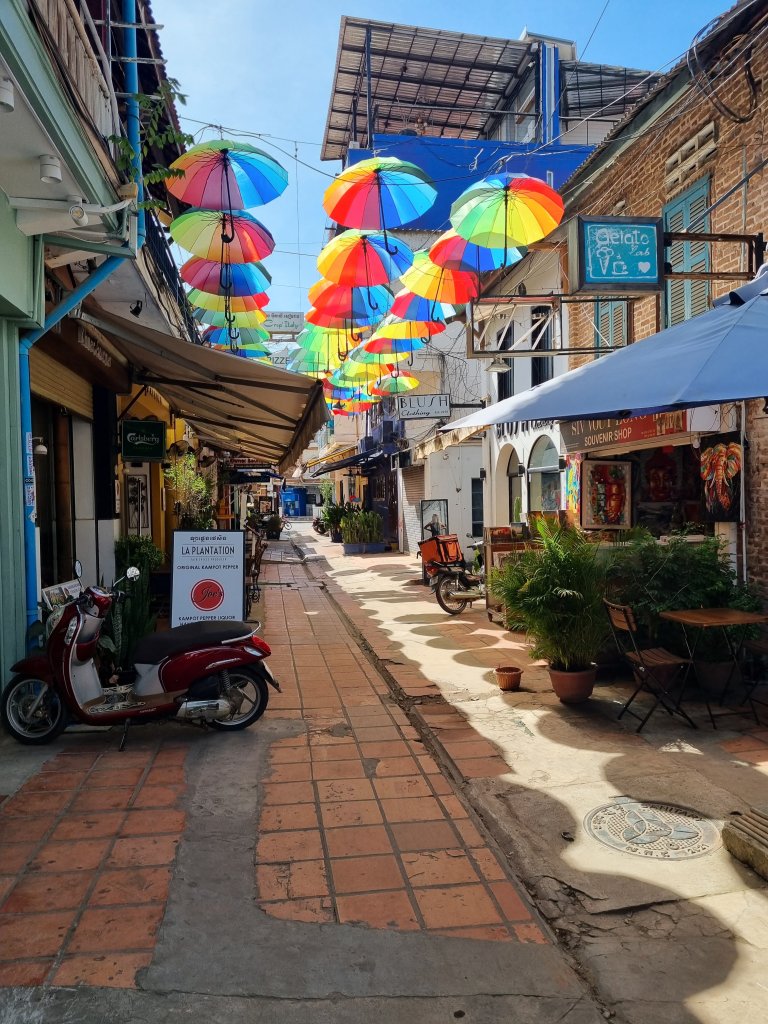
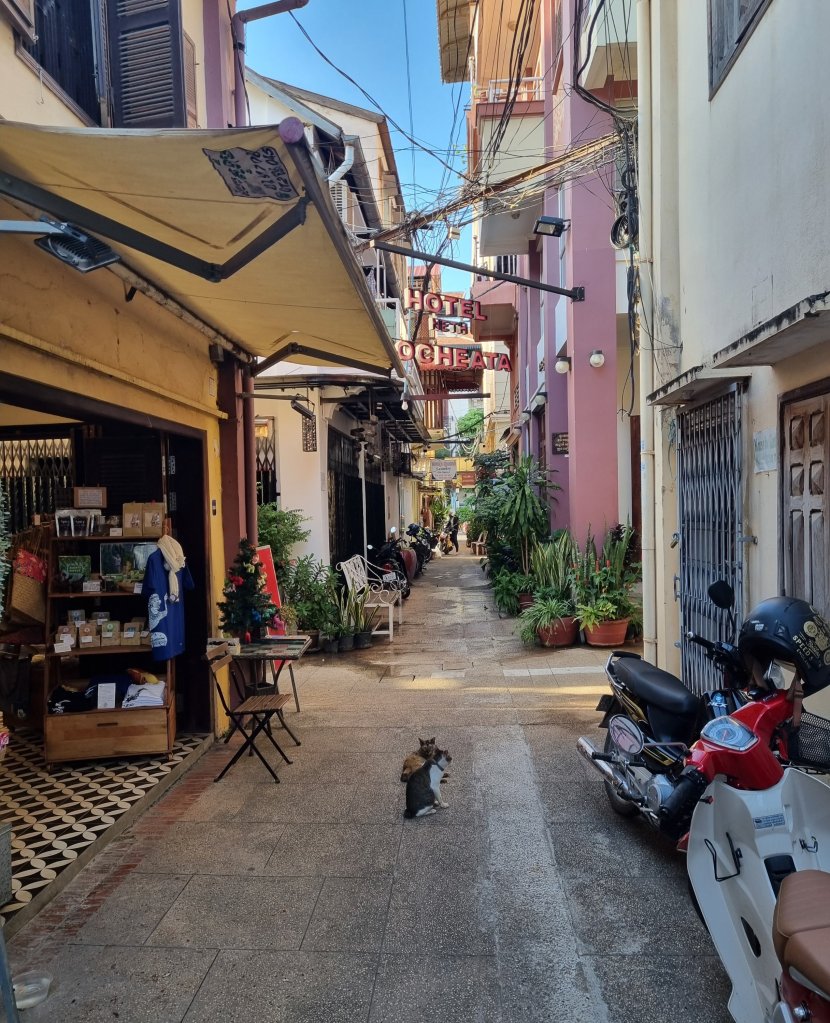
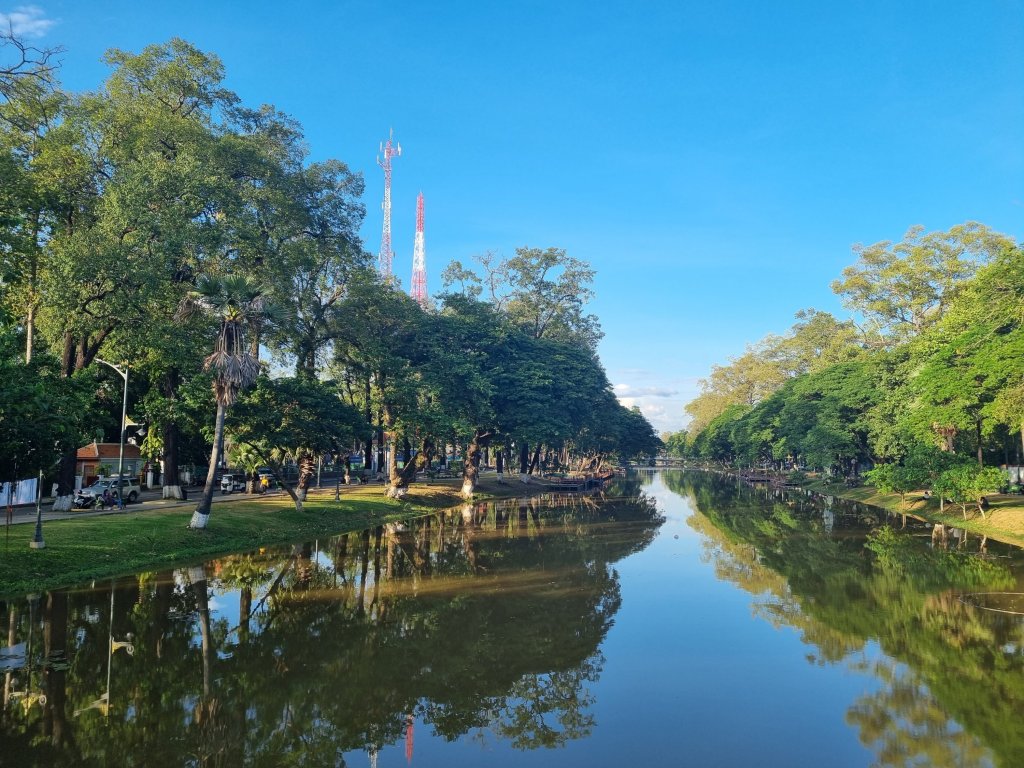
There are several temples in Siem Reap, but we decided to do the most popular in one day. The hostel offered a service where you pay an up-front fee for a tuk tuk for the day, and the driver takes you between the different temples. There are strict rules on how to dress in the temples, and in 34°C temperature a long skirt would not have normally been my first choice!
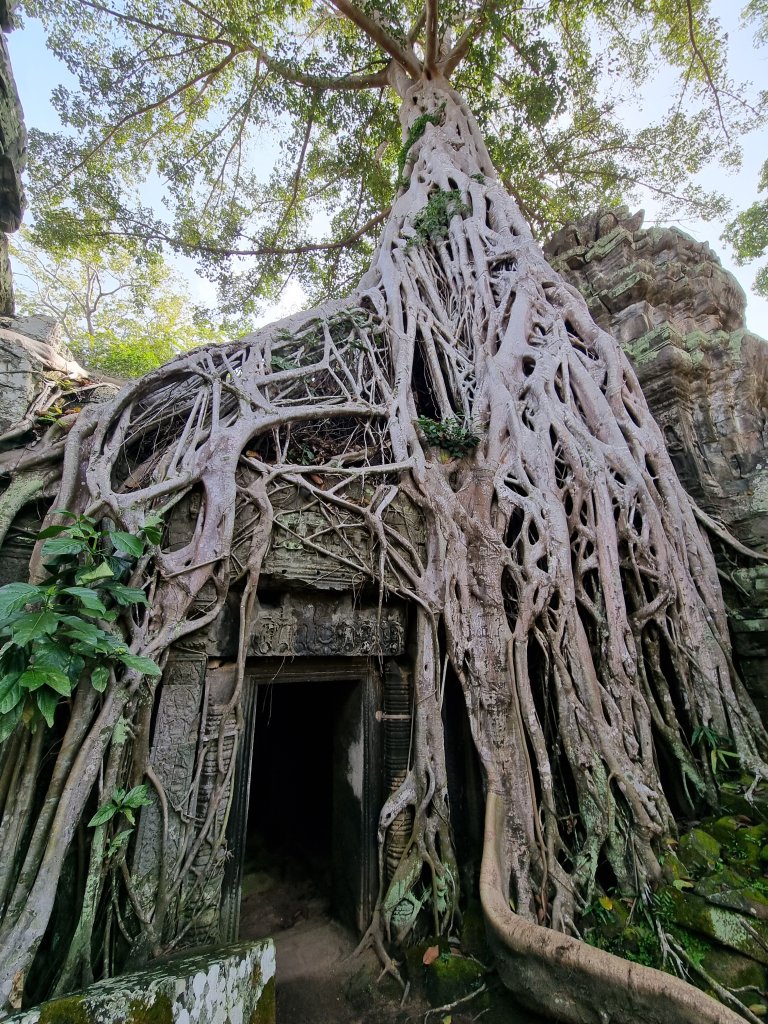
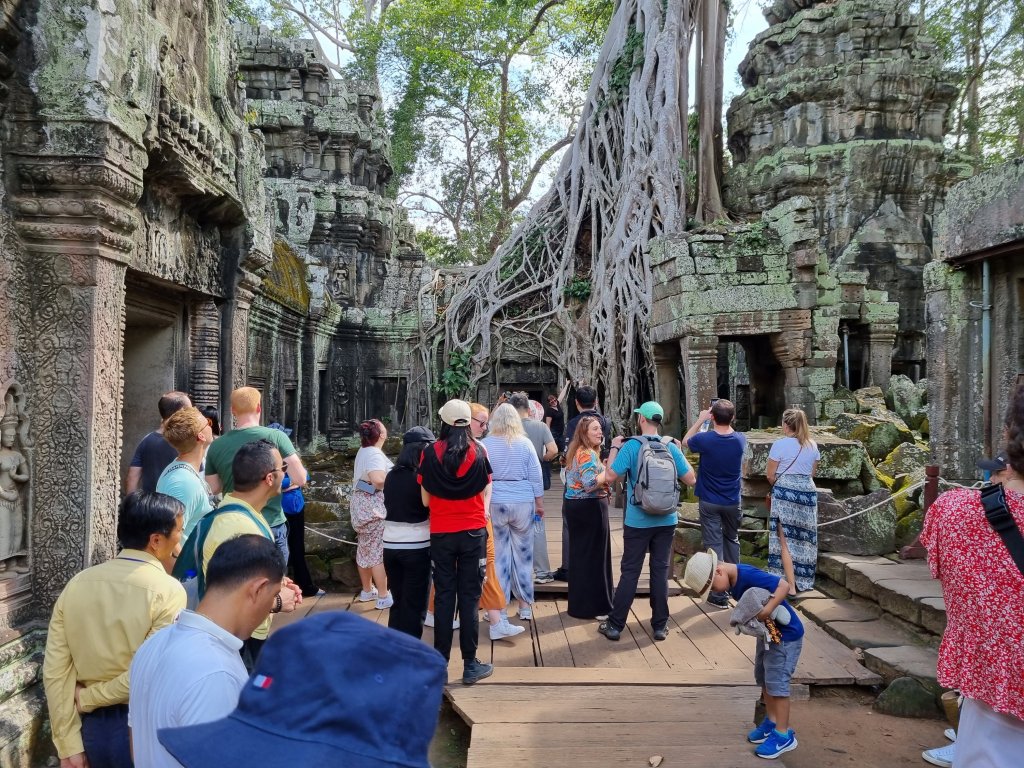
The first temple was the Buddhist temple, Ta Prohm. This temple is unlike so many others due to the trees that are growing out of the ruins. There are detailed carvings in the stone, and it was used as a location in the Lara Croft, Tomb Raider film.
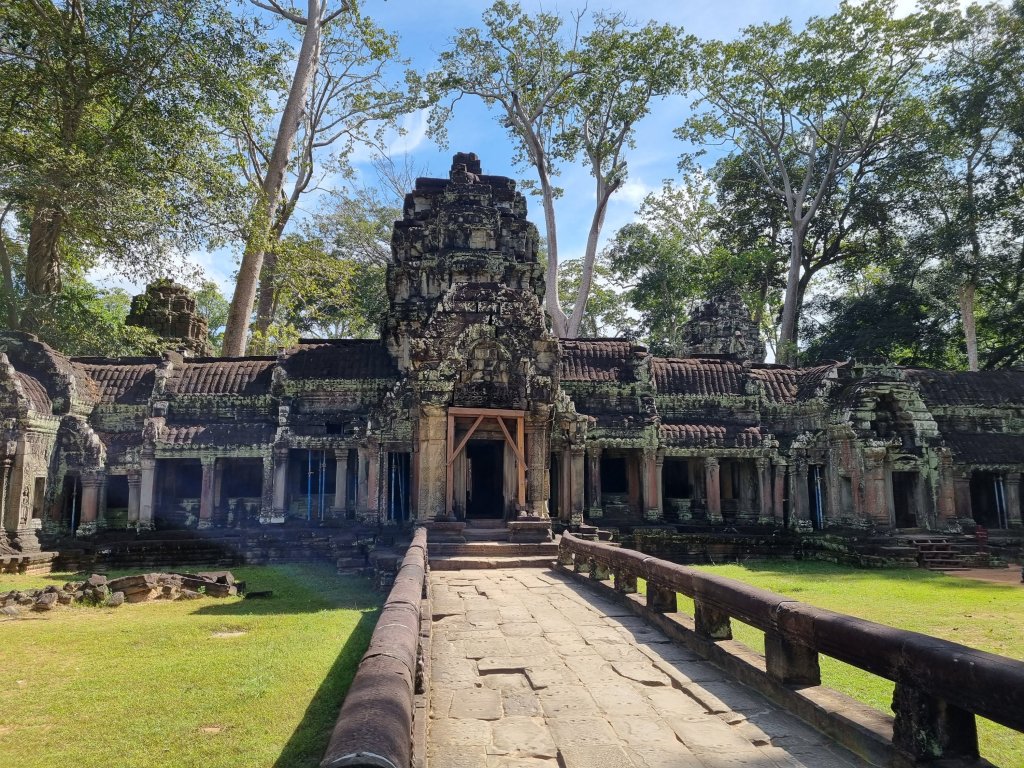
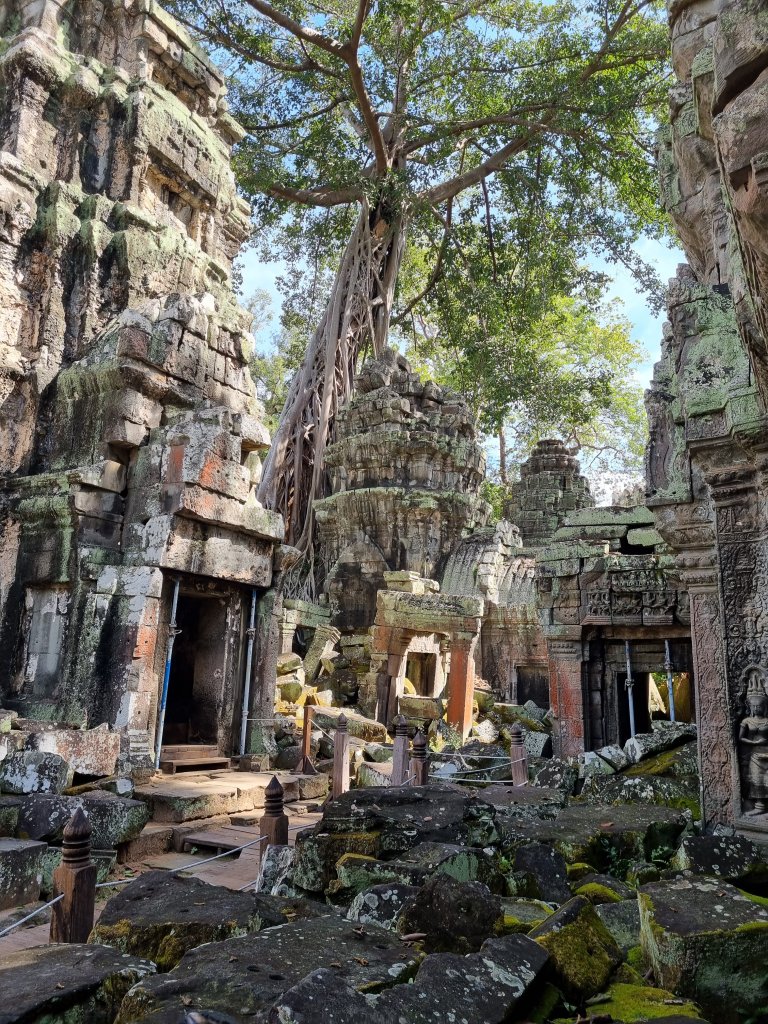
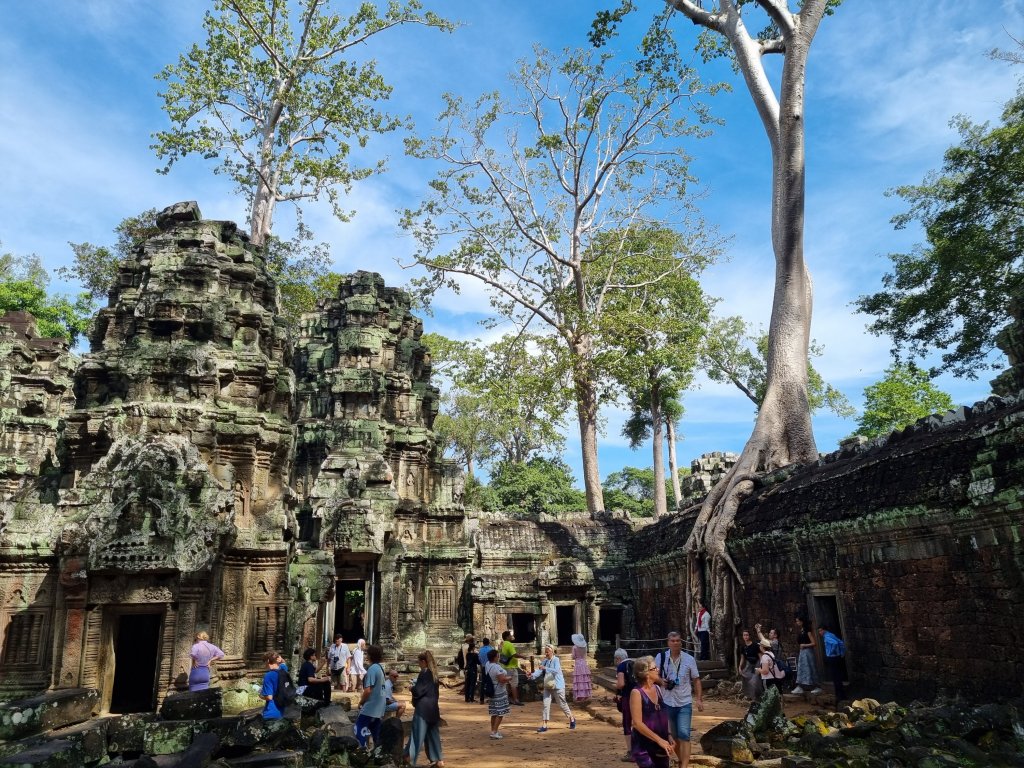
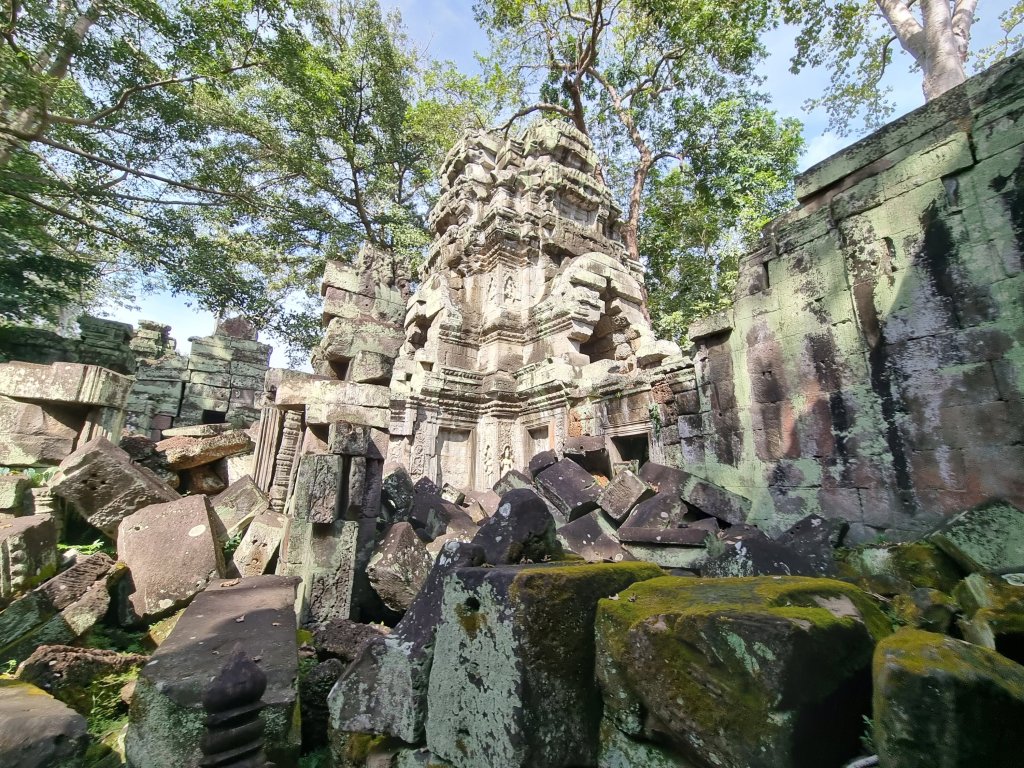
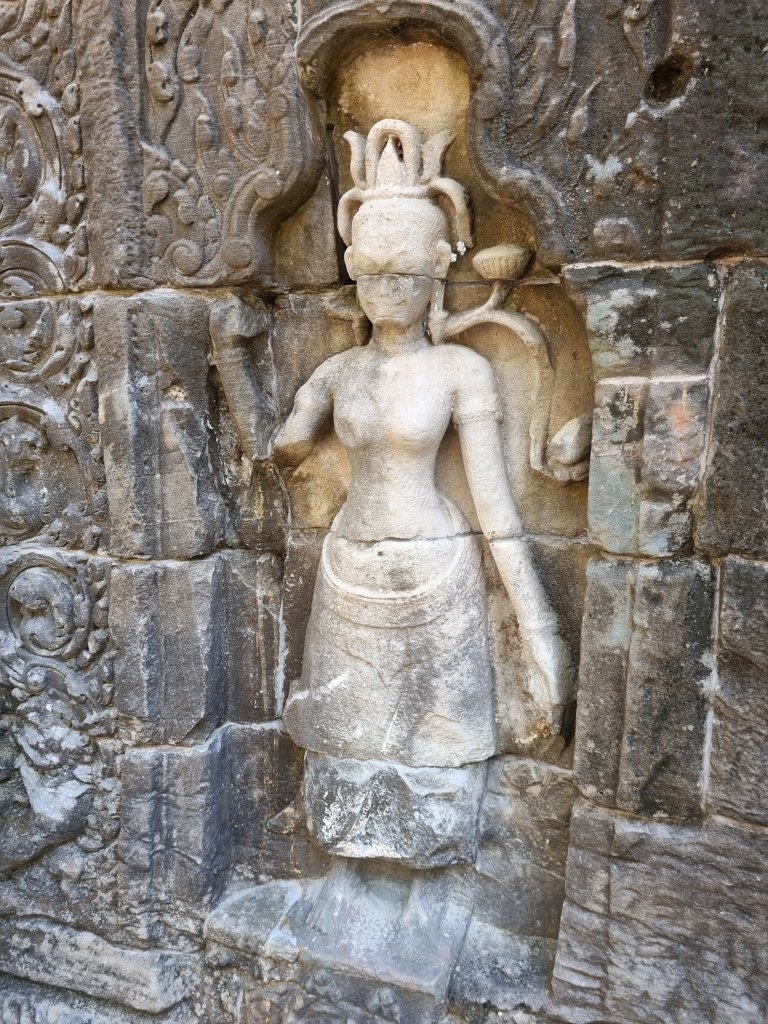
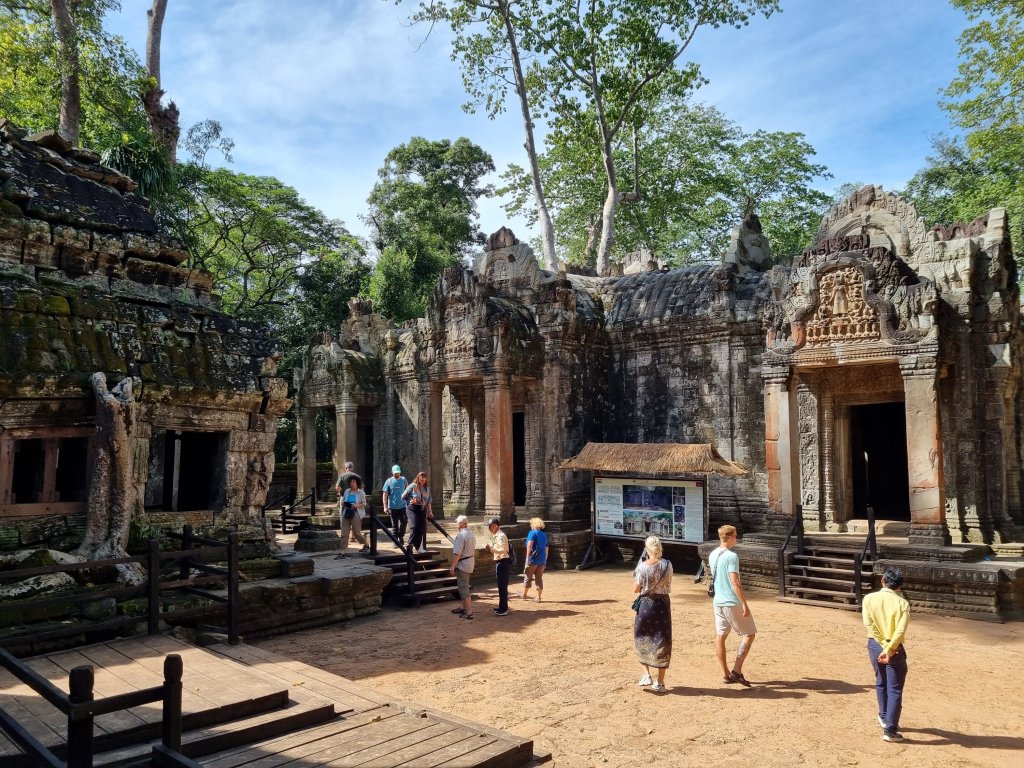
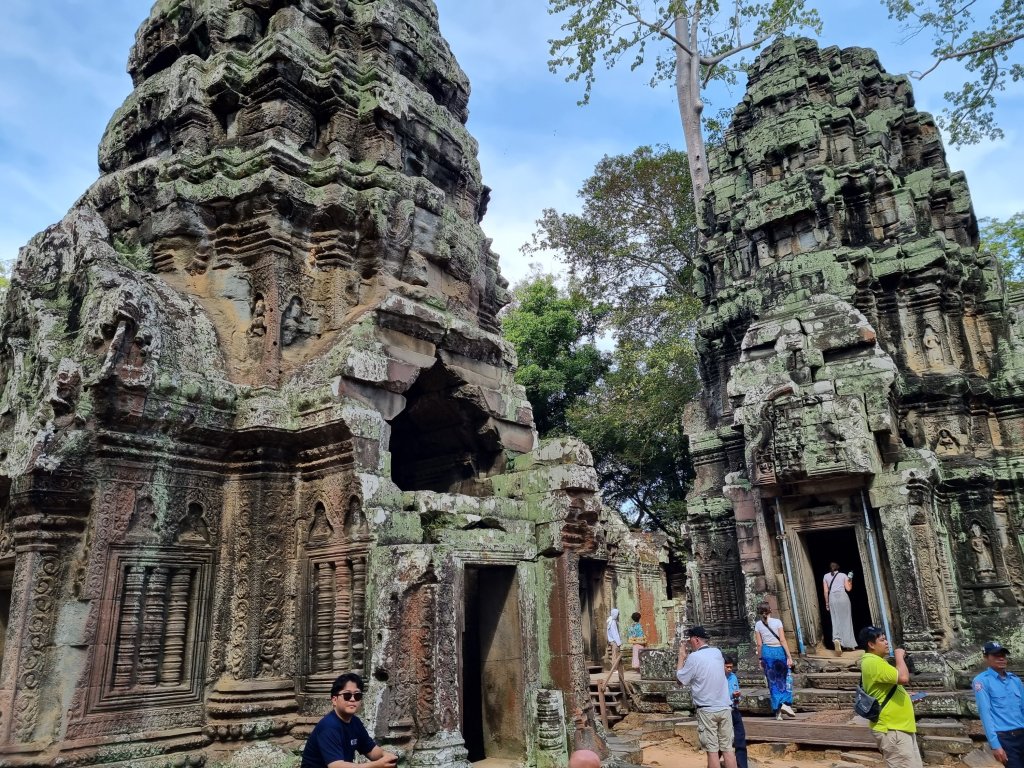
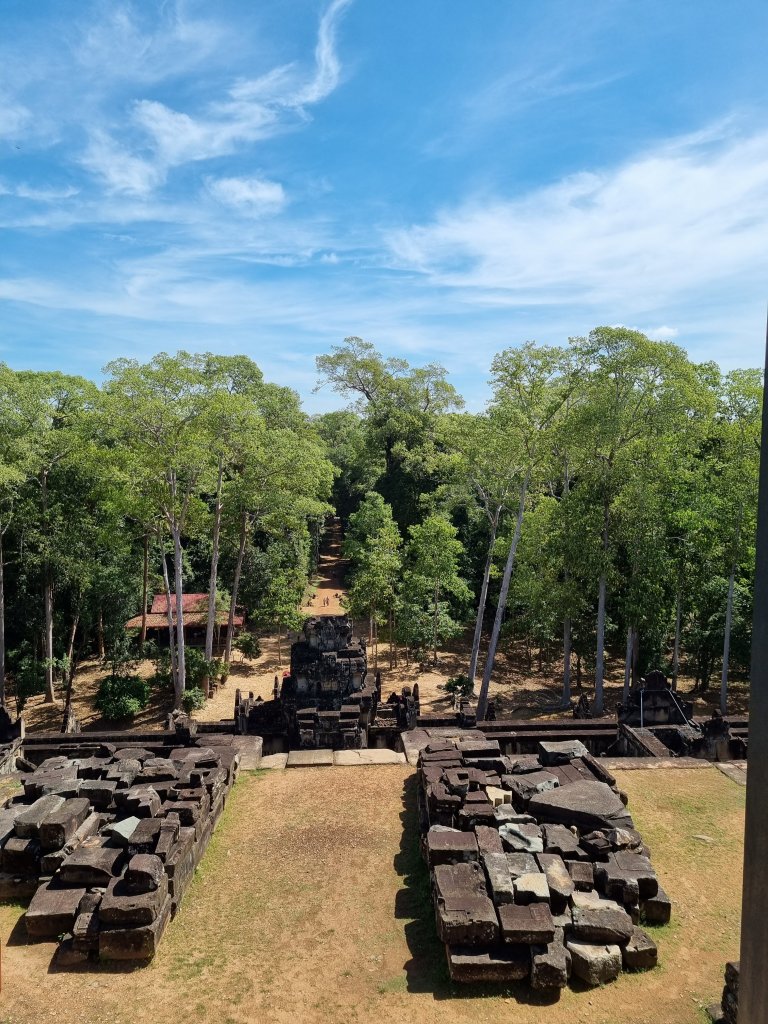
Following Ta Prohm, we moved on to the Hindu temple Ta Keo. This temple was much smaller, but on several levels. It could be climbed as long as you stuck to the very steep and narrow stairs.
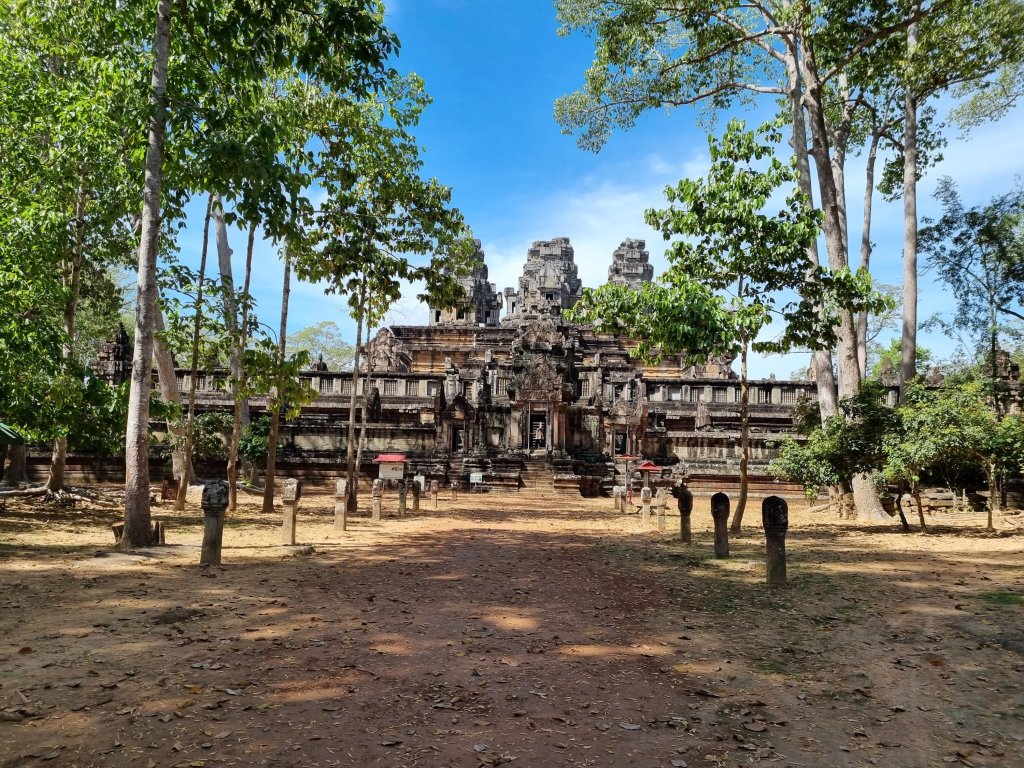
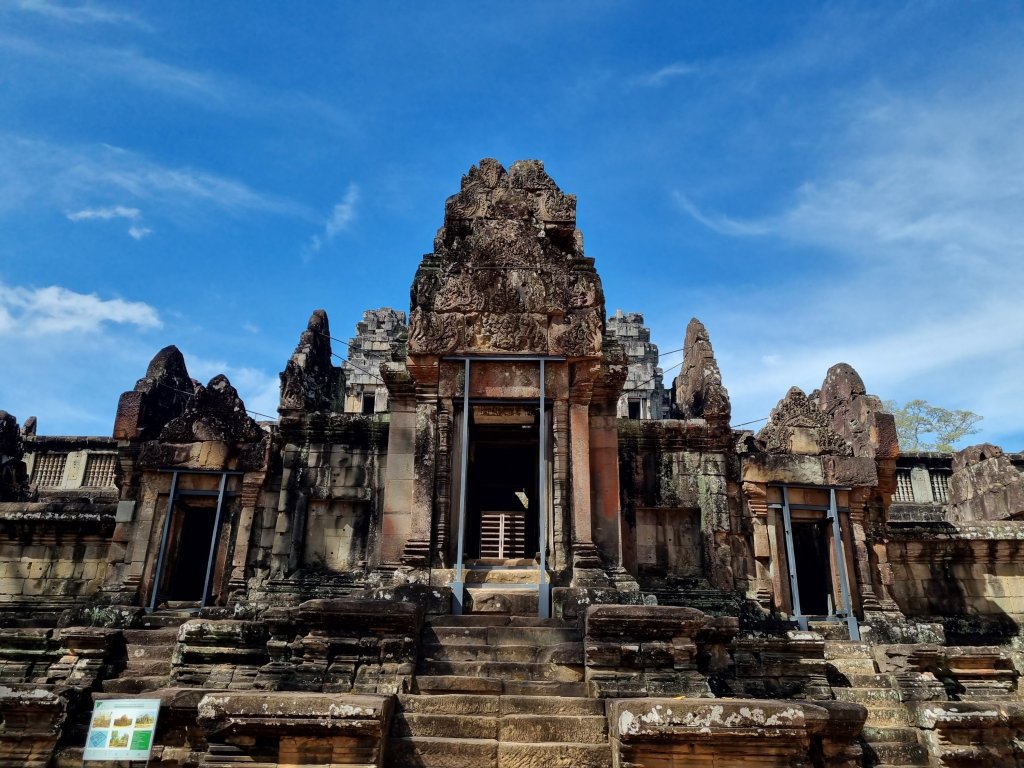
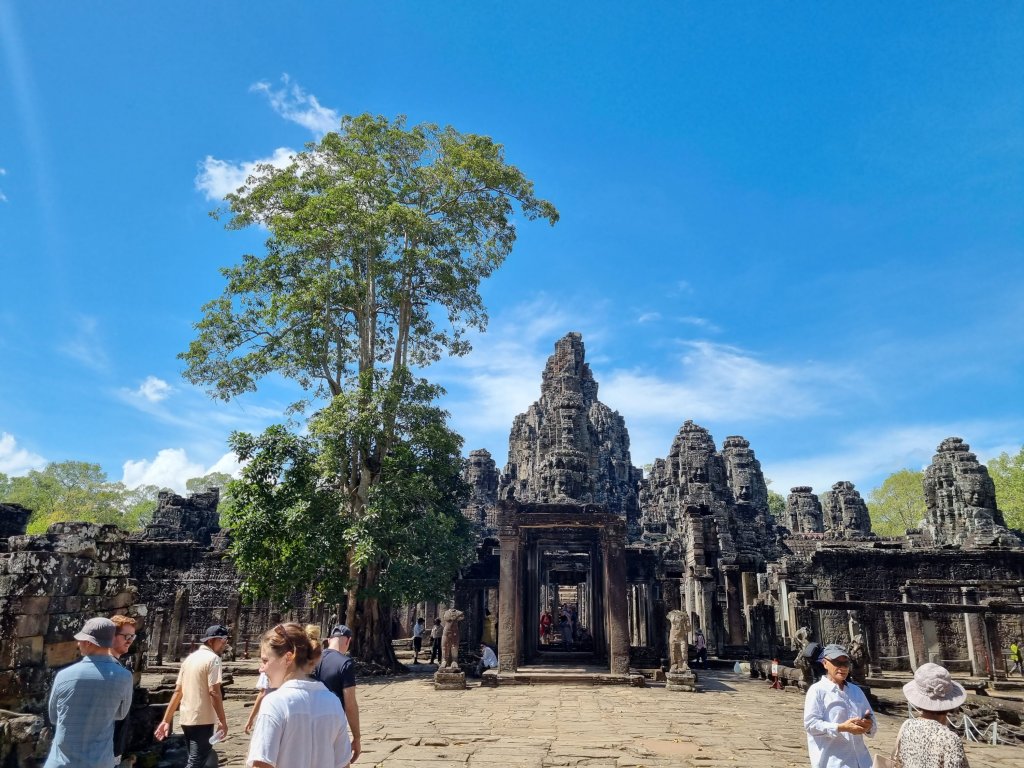
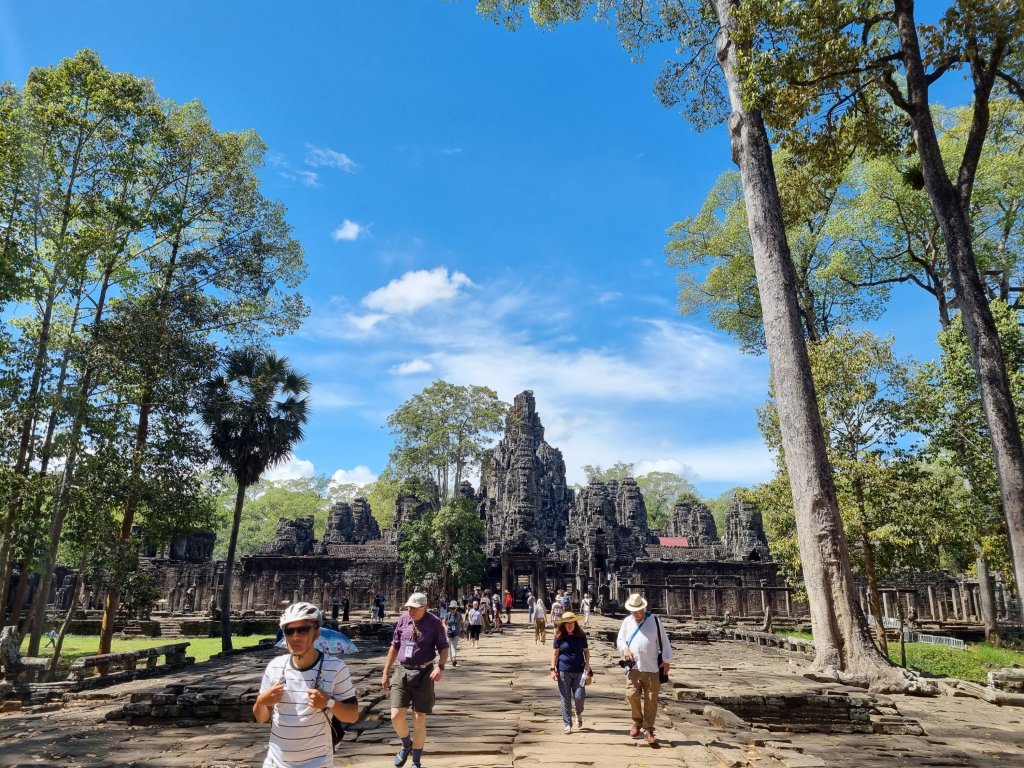
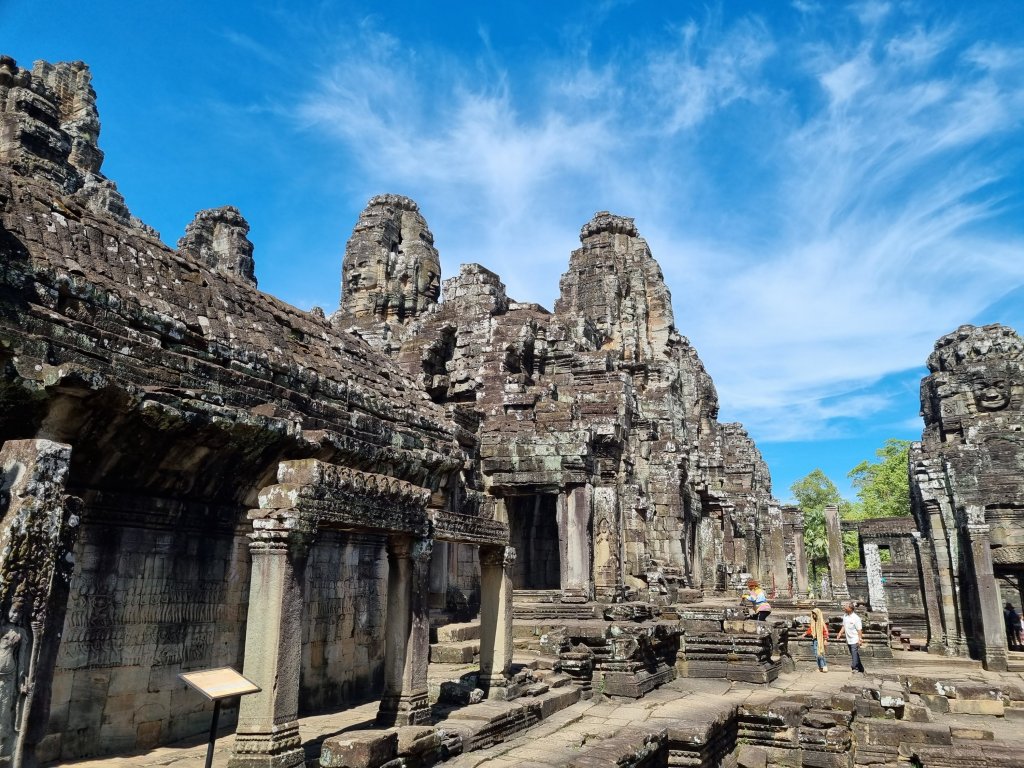
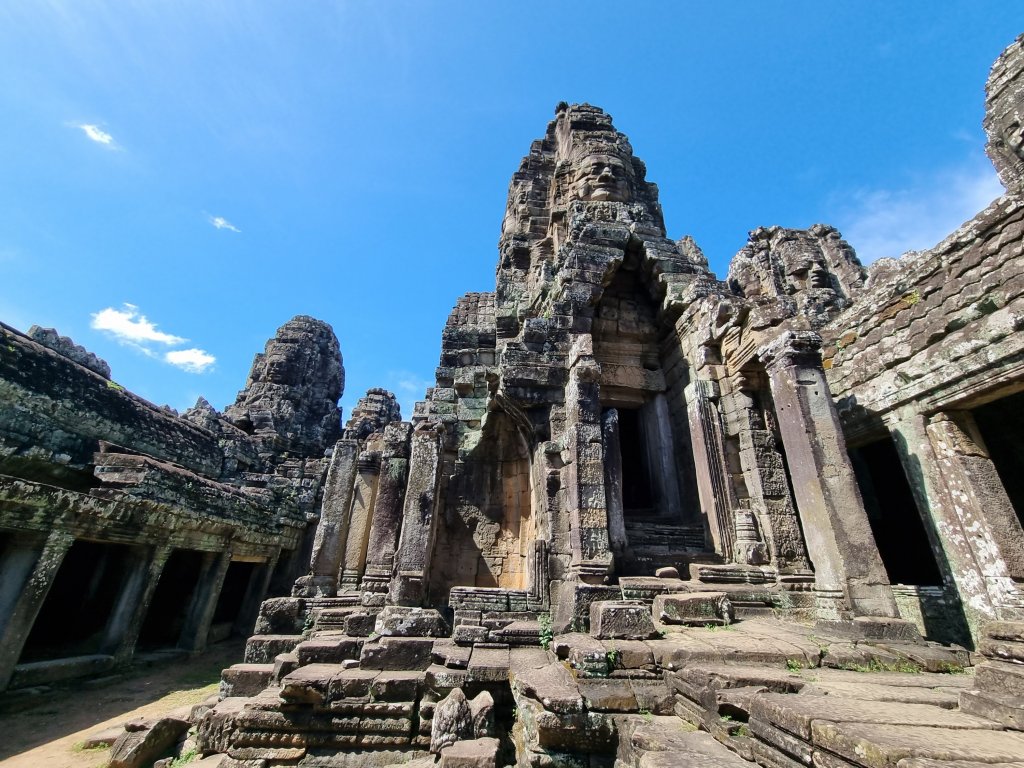
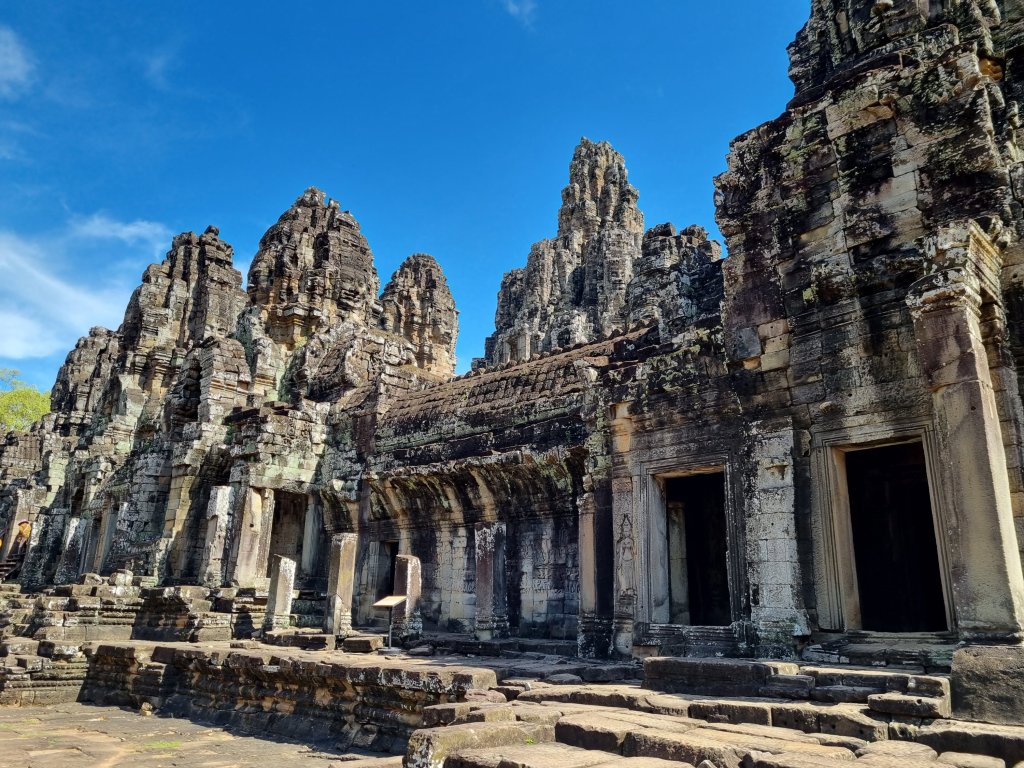
Next was another Buddhist temple, Bayon. There were towers all over the temple with charismatic smiling faces carved into the stone, as well as monkeys waiting to steal objects from unsuspecting tourists.
After lunch, we went to the very famous Angkor Wat. Originally a Hindu temple dedicated to Vishnu, it later transformed into a Buddhist temple and is now the largest religious monument in the world.
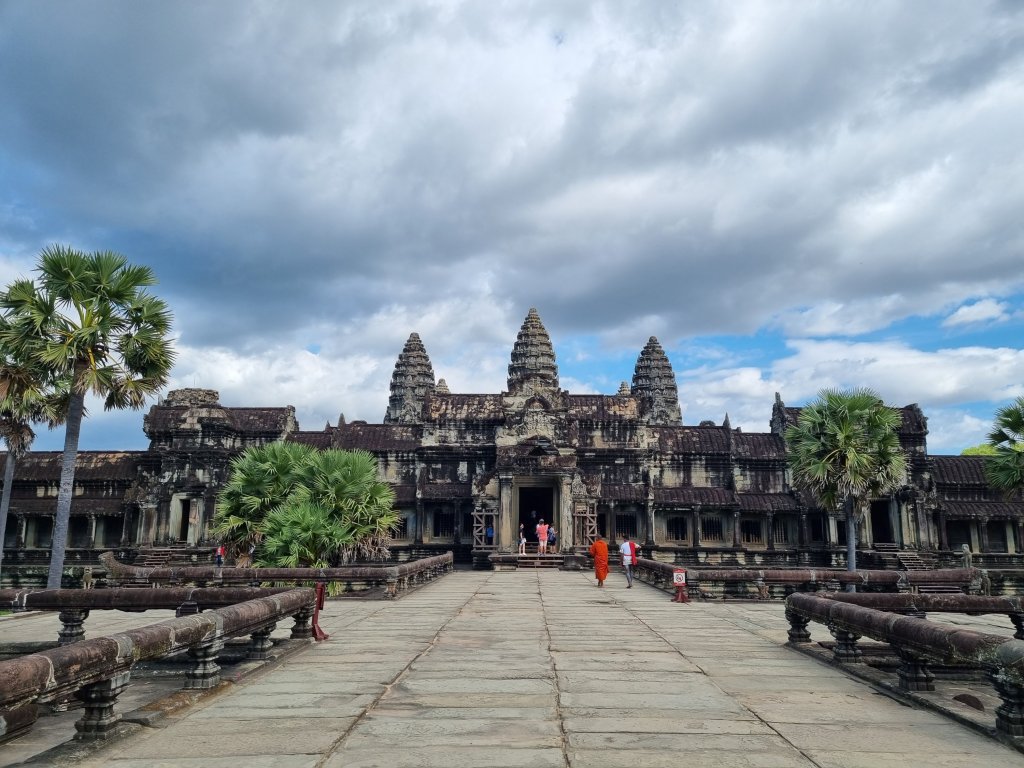
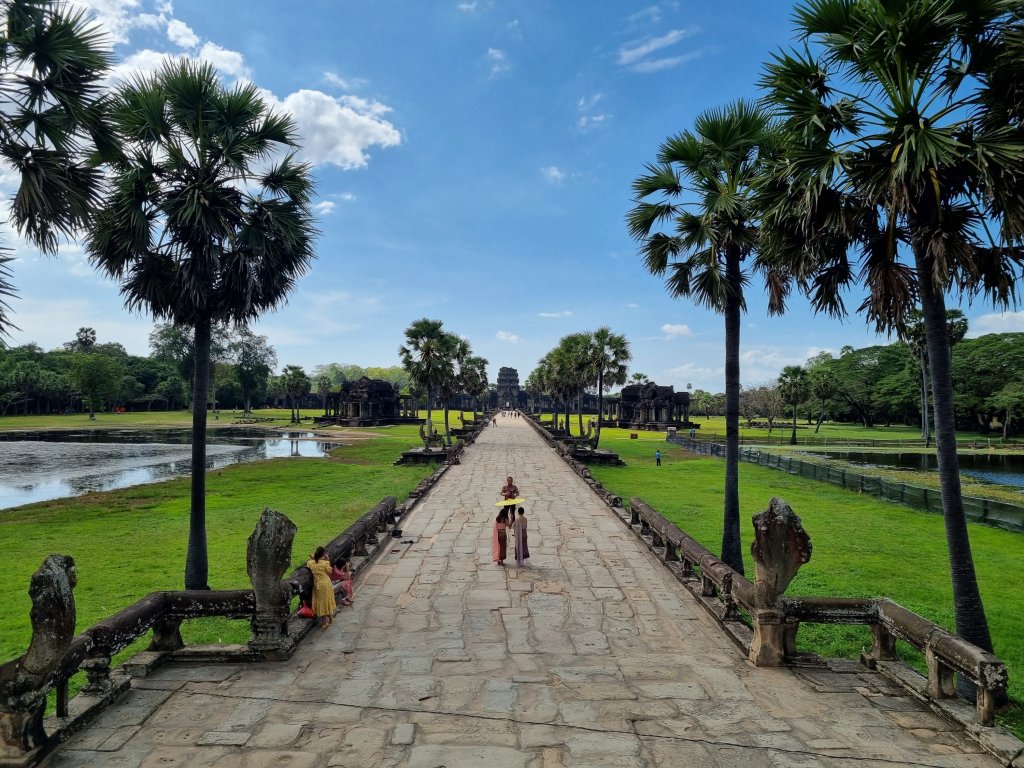
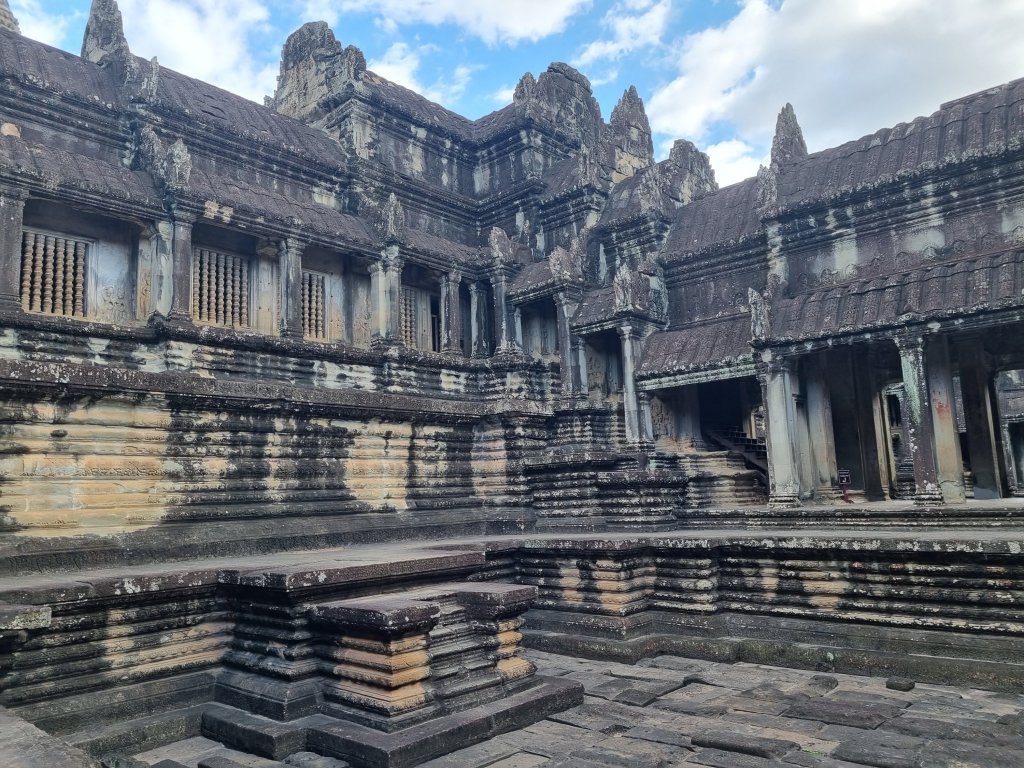
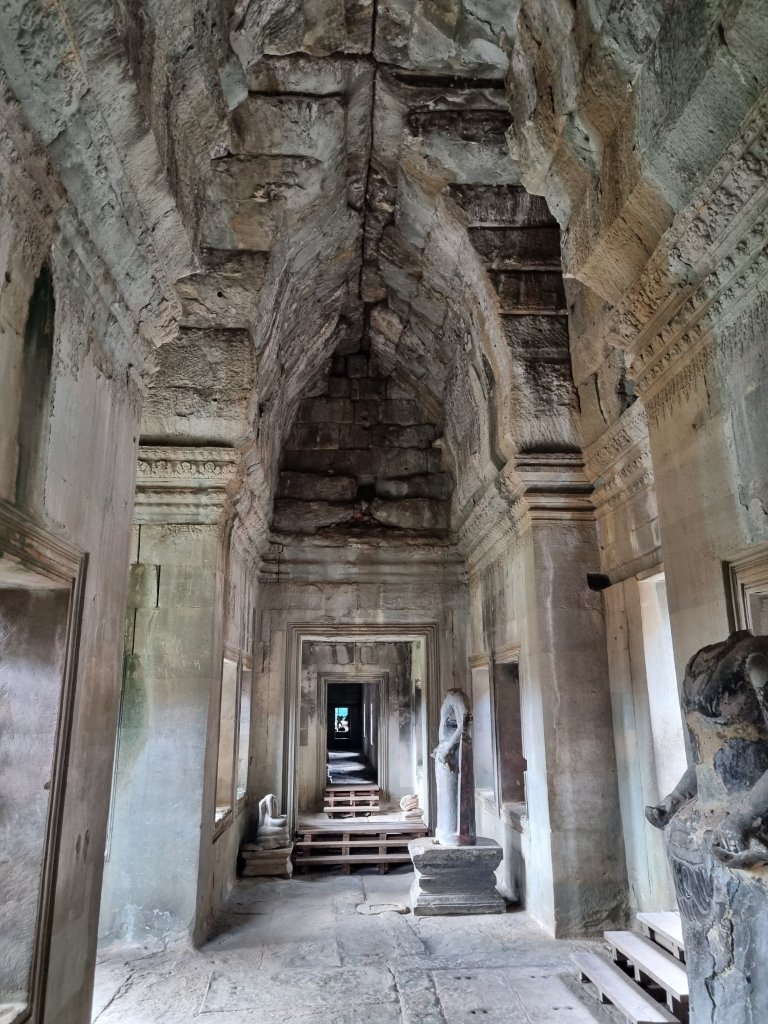
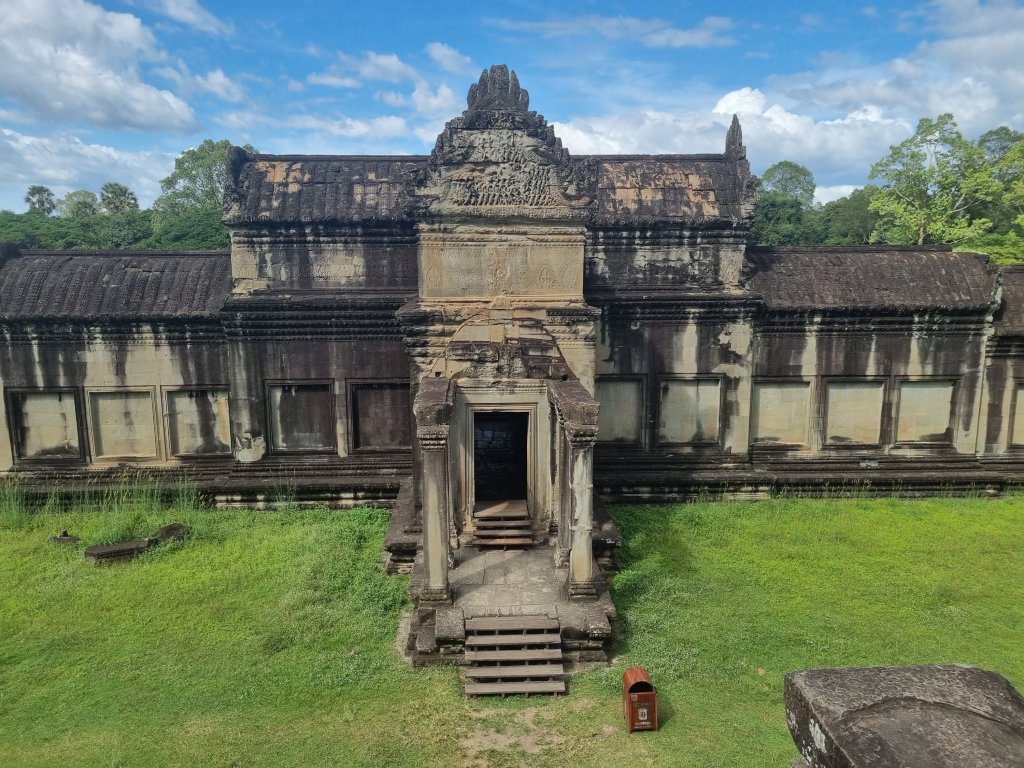
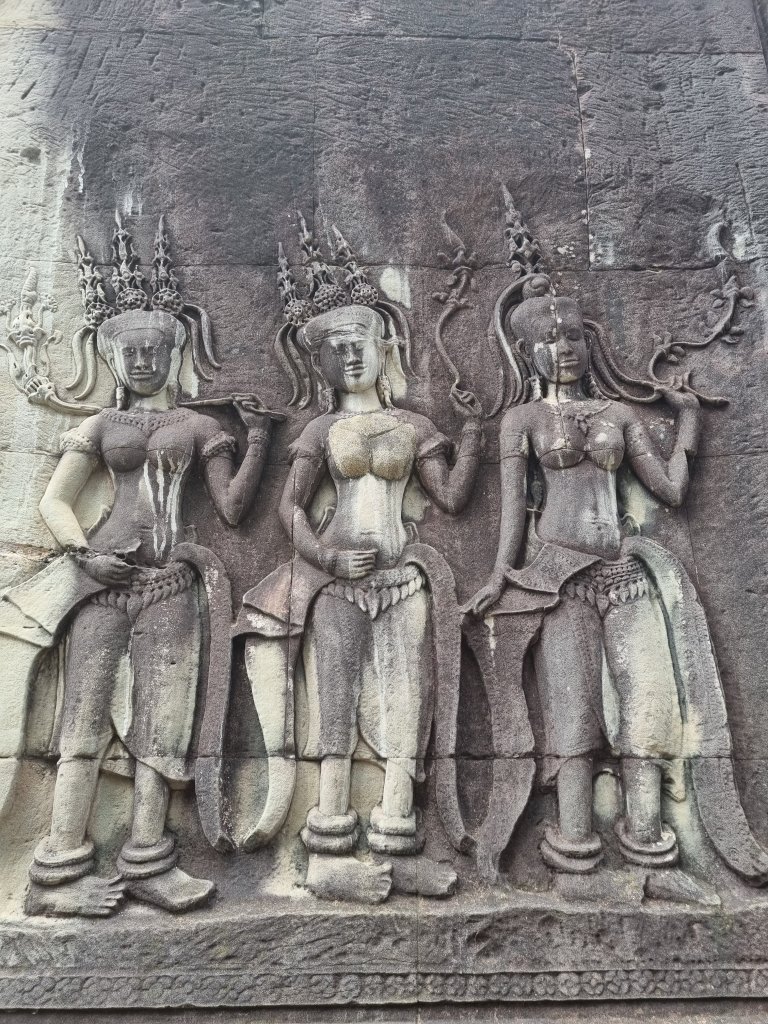
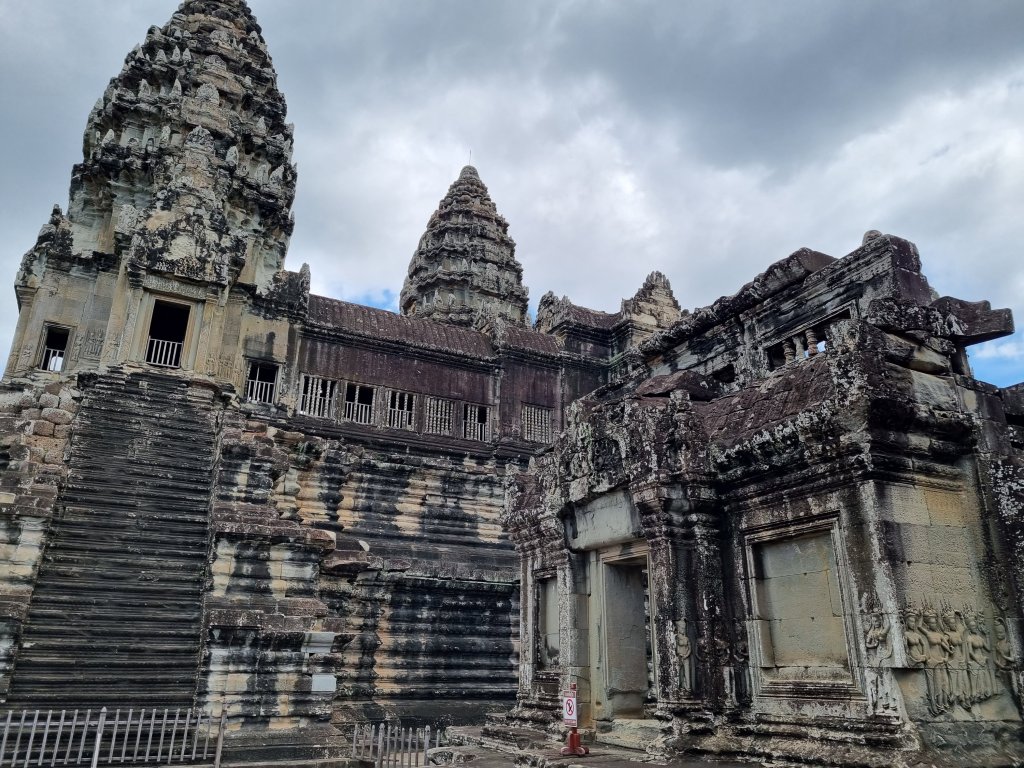
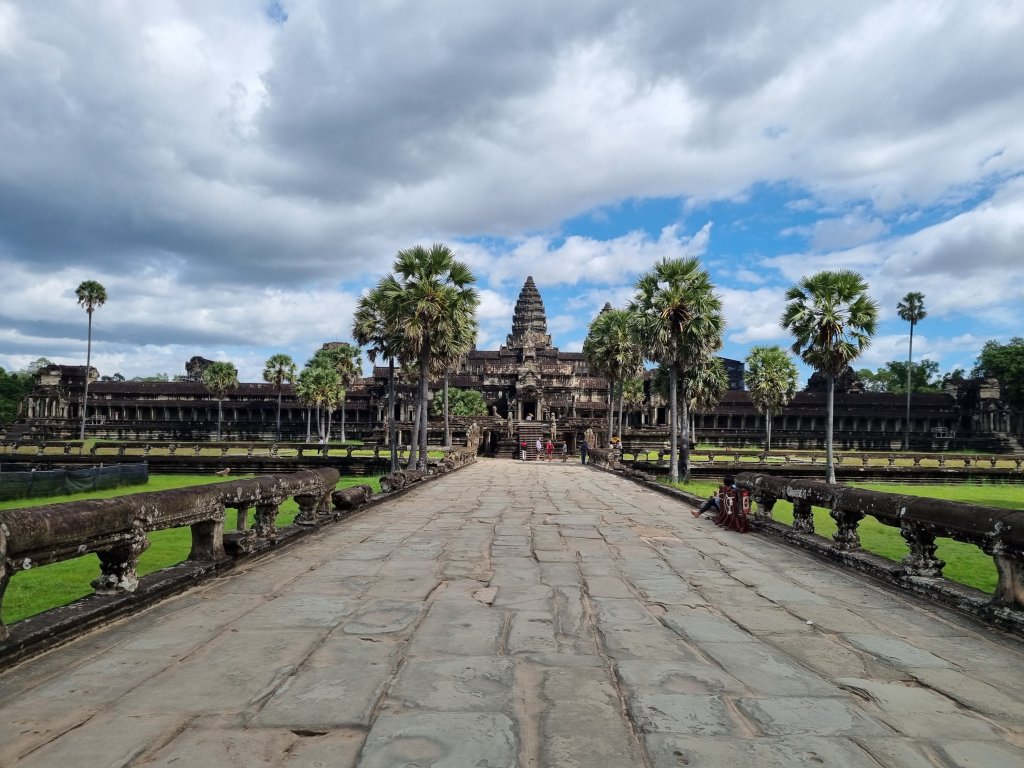
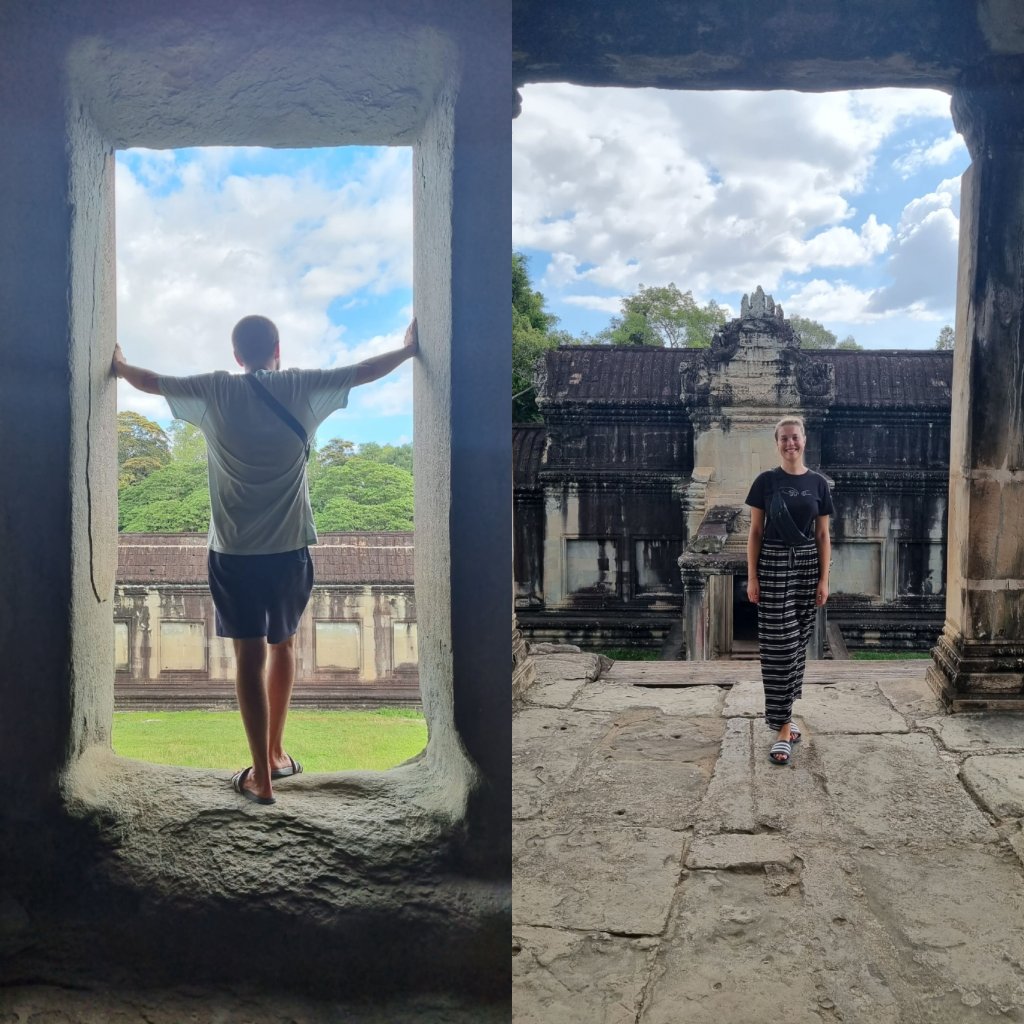
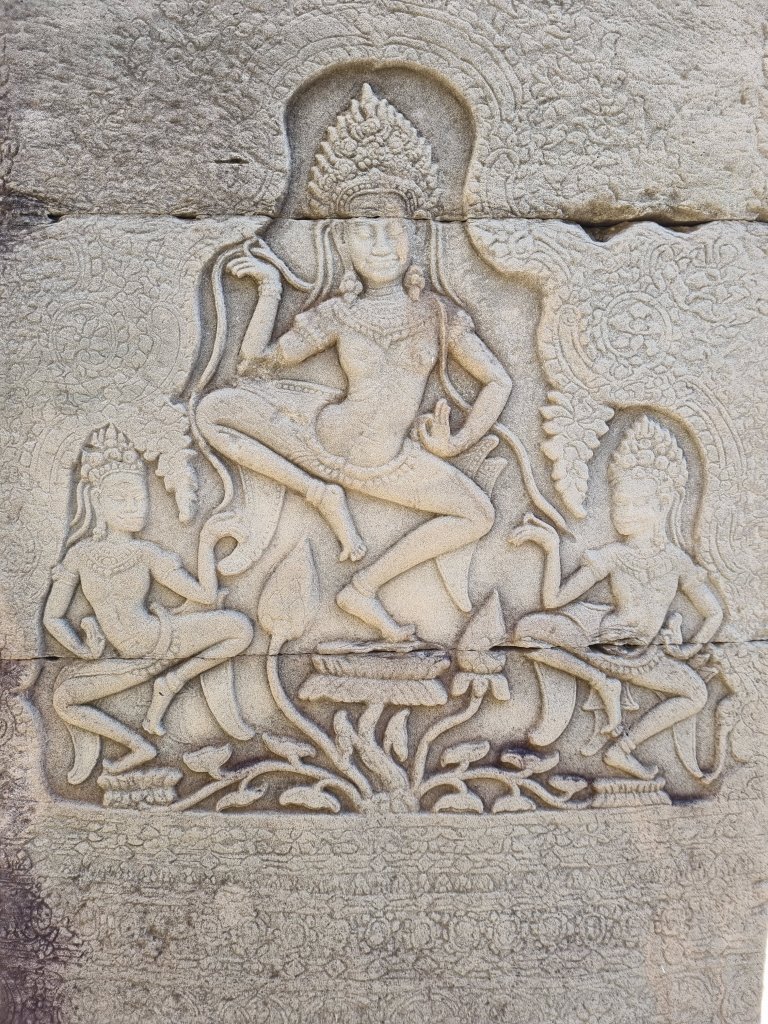
There were two things that I found most interesting about the temples. The first were the carvings in the stone. Some were so intricate it was hard to imagine someone using just a chisel to create them. The second was how stable the temples were, even when so much had fallen down. The ruined walls just added to the charm.
We enjoyed Siem Reap so much that we decided to stay an extra couple of nights. One of the great things about not booking or planning in advance is that we’ve had the luxury of staying in places longer if we’ve enjoyed them. The rest of our time was spent enjoying the atmosphere of the city by walking around and stopping for a drink or bite to eat, and also by the pool of the hostel and guesthouse we moved to.
📍 Phnom Penh, Cambodia 🇰🇭
Next, it was time to move on to Phnom Penh. After speaking with various different people who all said it isn’t the nicest of cities, we were apprehensive about going there. However, we decided to try and keep an open mind as not everyone will have the same opinion.
We went via coach which was about a 6 hour journey. The stop in Phnom Penh was on the side of the road, in a very sketchy area. The coach was swarmed with tuk tuk drivers as people got off, and to get away from them all trying to grab us, we headed off down the street.
Having been warned that the city can be dangerous, and being fully aware that being tourists and with huge bags we were walking targets, we found a cafe to dip into so we could book a taxi online to take us to the accommodation.
Phnom Penh is home to the Tuol Sleng Genocide Museum and the Choeung Ek Genocidal Centre, which, despite their difficult topic, are a must visit in the city. We prepared ourselves for a hard day but eager to learn something so important in history and incredibly recent in time.
The Khmer Rouge seized power of Cambodia in April 1975. Their goal was to turn Cambodia into a rural and classless society, and anyone a threat to this would become the type of prisoner detained in Tuol Sleng (also known as S-21). They included the educated, teachers, lawyers, politicians, Buddhists, and journalists.
A lot of the descriptions on the audio guide were hard to listen to, and I have chosen to leave them out of the blog. I have provided some information though, and have tried to make it as easy to read as possible. However, I apologise if this is not the case for you.
It is estimated that 12,000 – 20,000 people were imprisoned in Tuol Sleng during its time as a prison. There are only 12 confirmed survivors.
Before becoming what it did, S-21 had been a school – classrooms became interrogation rooms, and walls were built within the rooms to create cells. The playground equipment was later turned into torture equipment. On arrival to the museum now there are 14 unmarked graves. When the prison was discovered by the Vietnamese, it had been quickly abandoned and everything was left behind. Unfortunately, that included the unidentified bodies of 14 people who had been killed just hours before the Vietnamese arrived. These graves are for those people left behind.
It was mainly Cambodians detained. However, there were some foreign prisoners, too. One was New Zealander Kerry Hamill, who had been travelling the world on his boat and was captured when he sailed into Cambodian waters. He was tortured for information he clearly wouldn’t have and gave names of people in popular culture that only Westerners would recognise. When asked who had sent him on his mission, he answered Colonol Sanders and gave his home phone number as his C.I.A identification number. He was executed 2 months after he arrived.
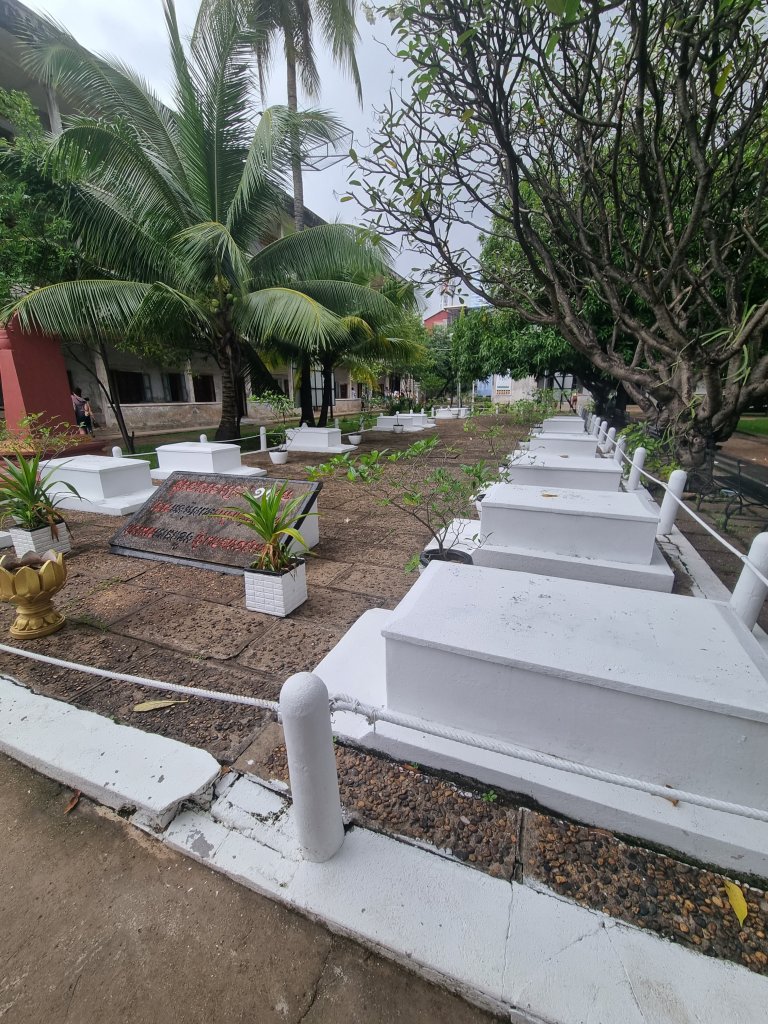
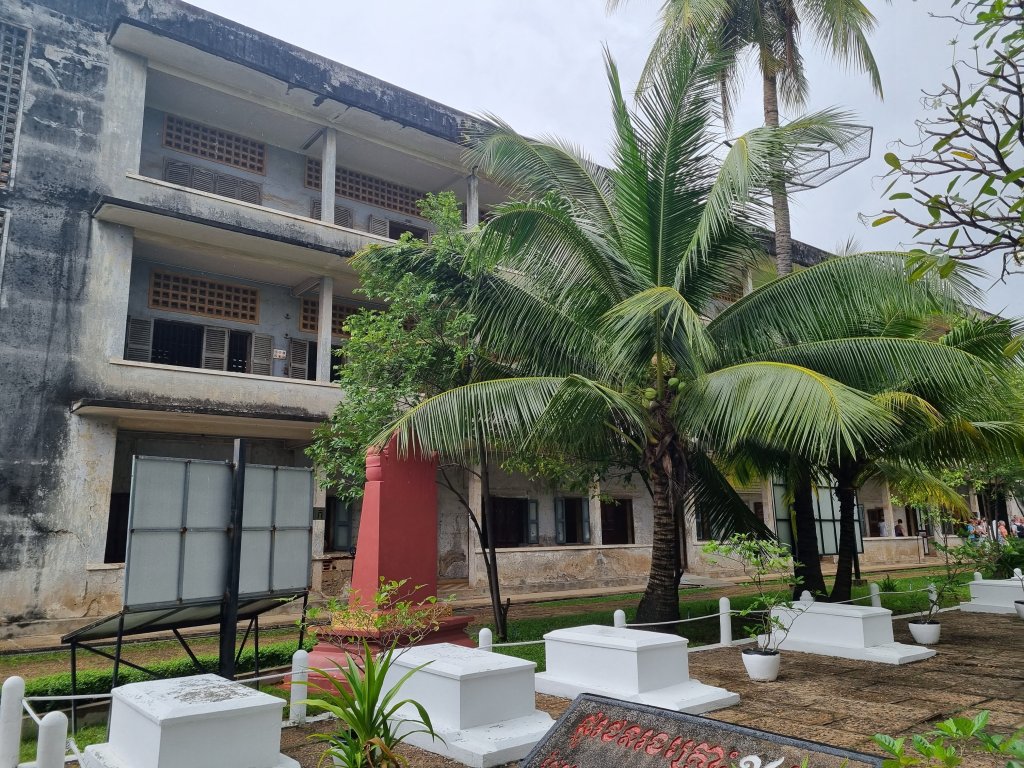
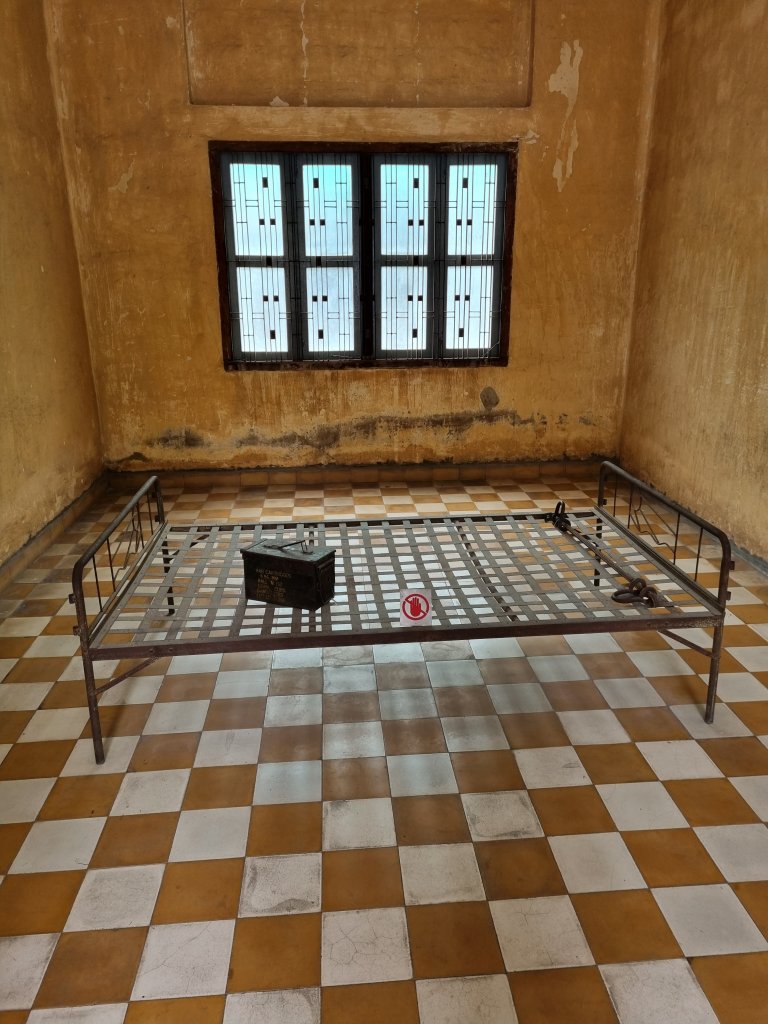
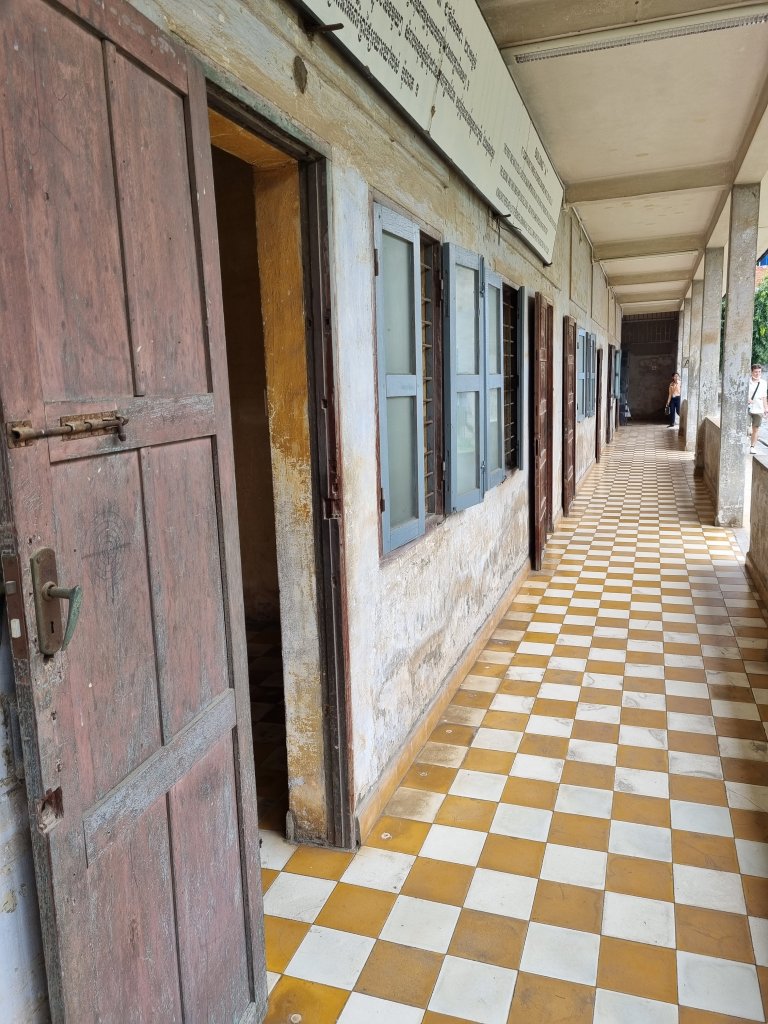
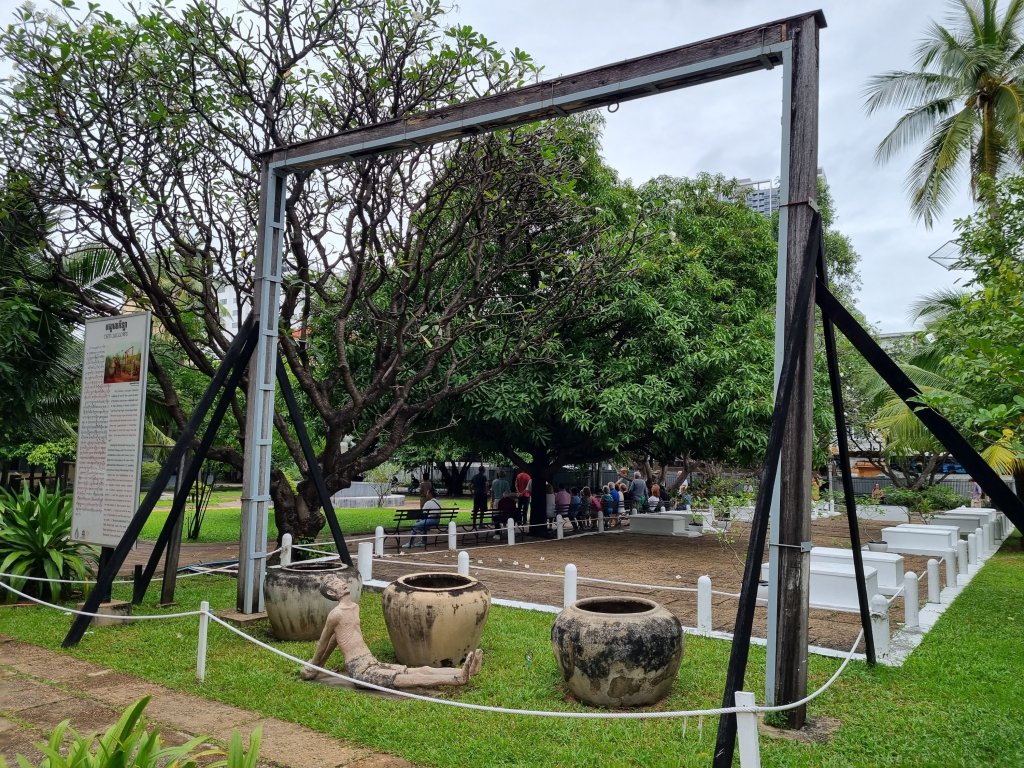
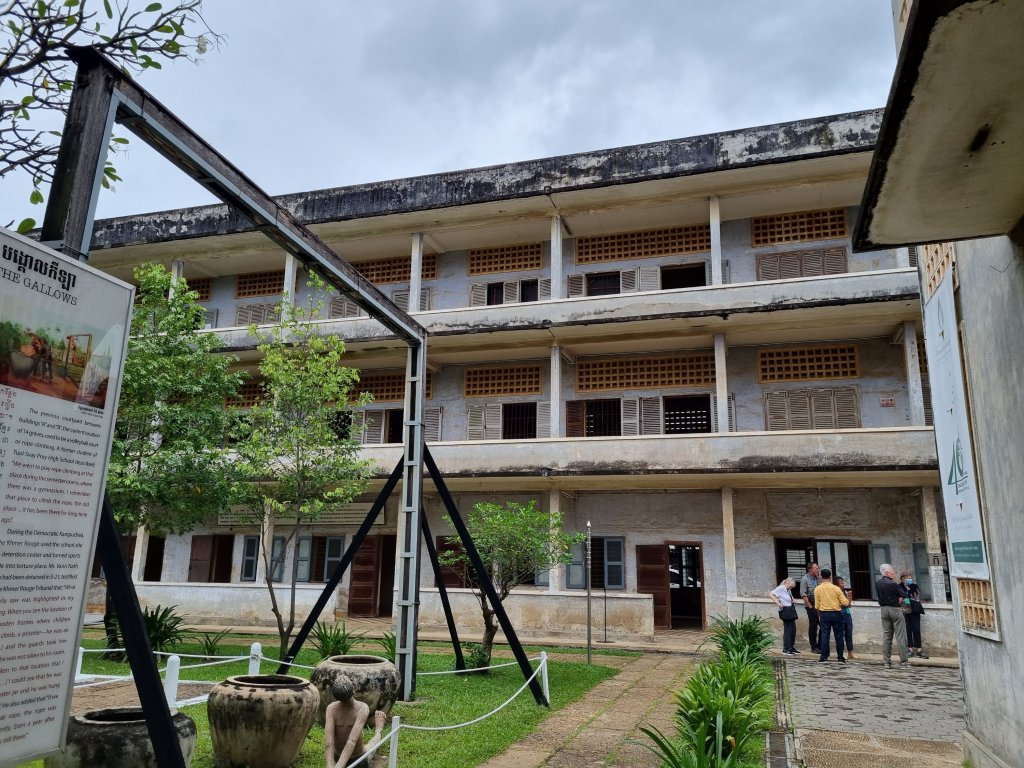
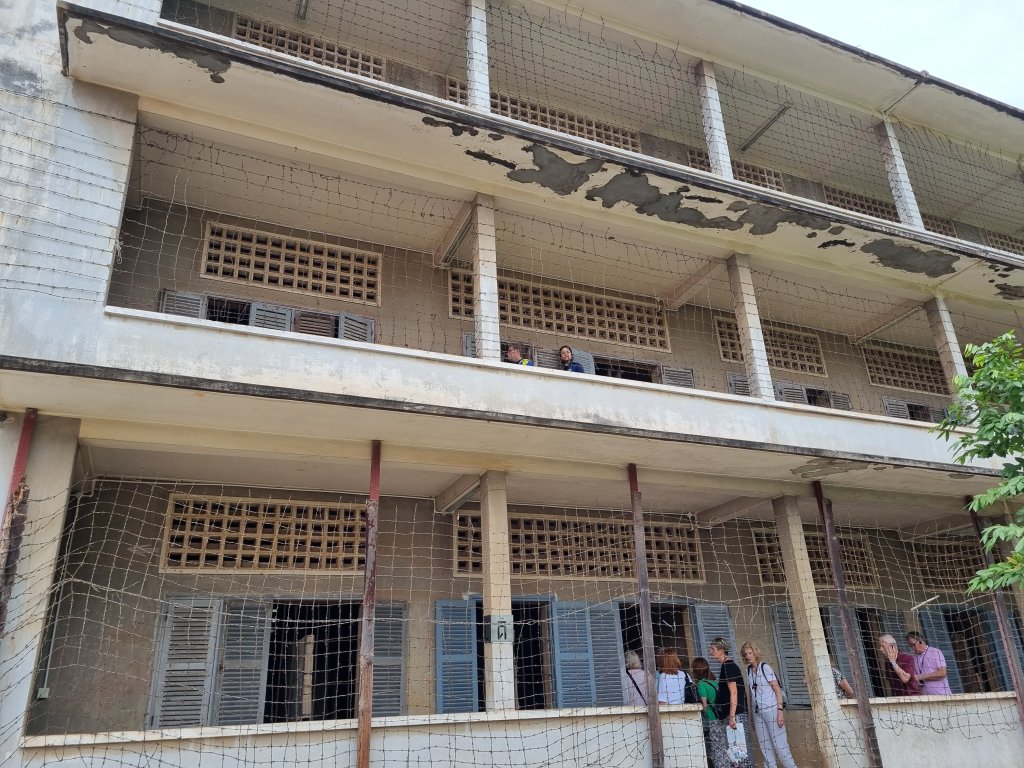
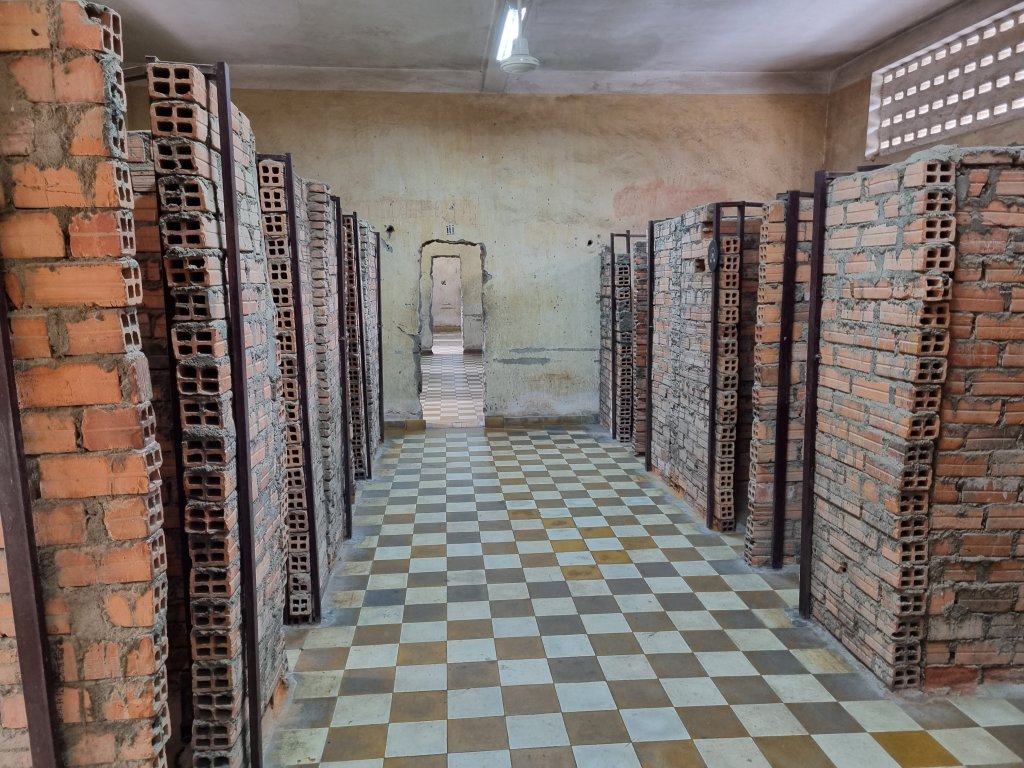
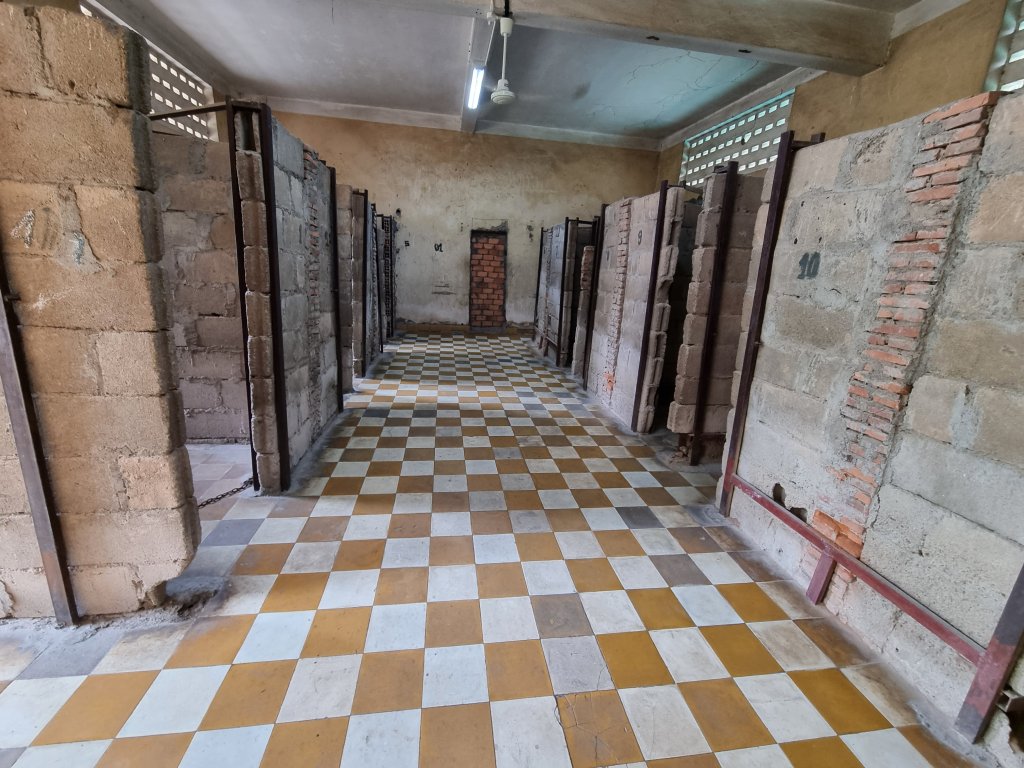
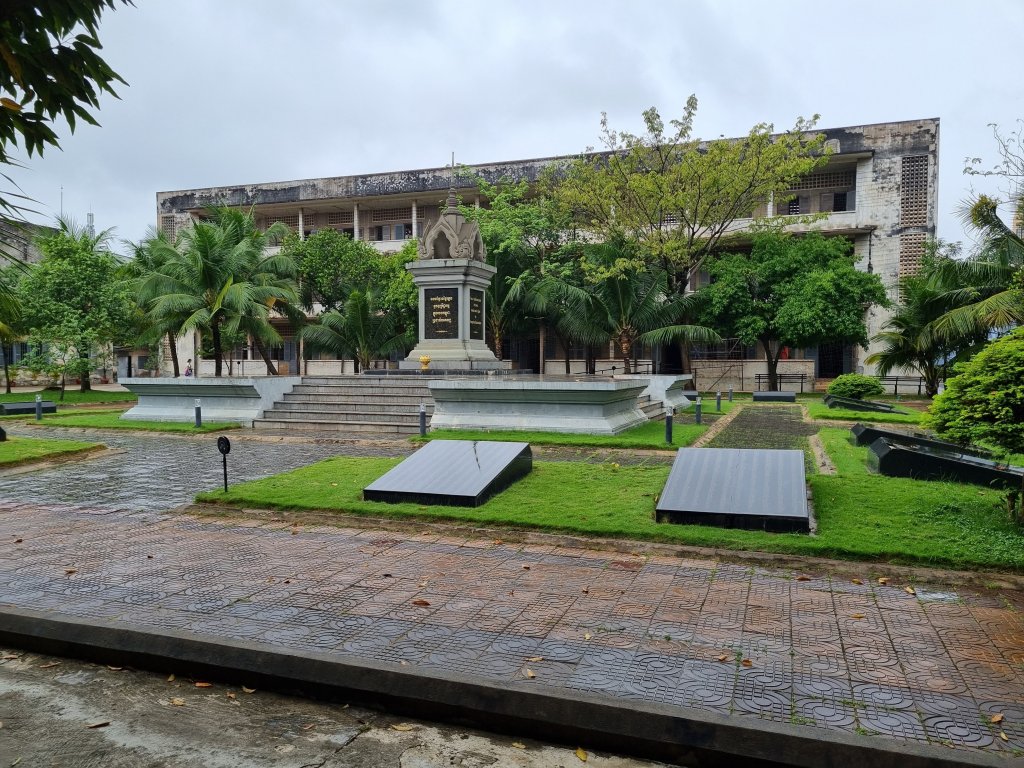
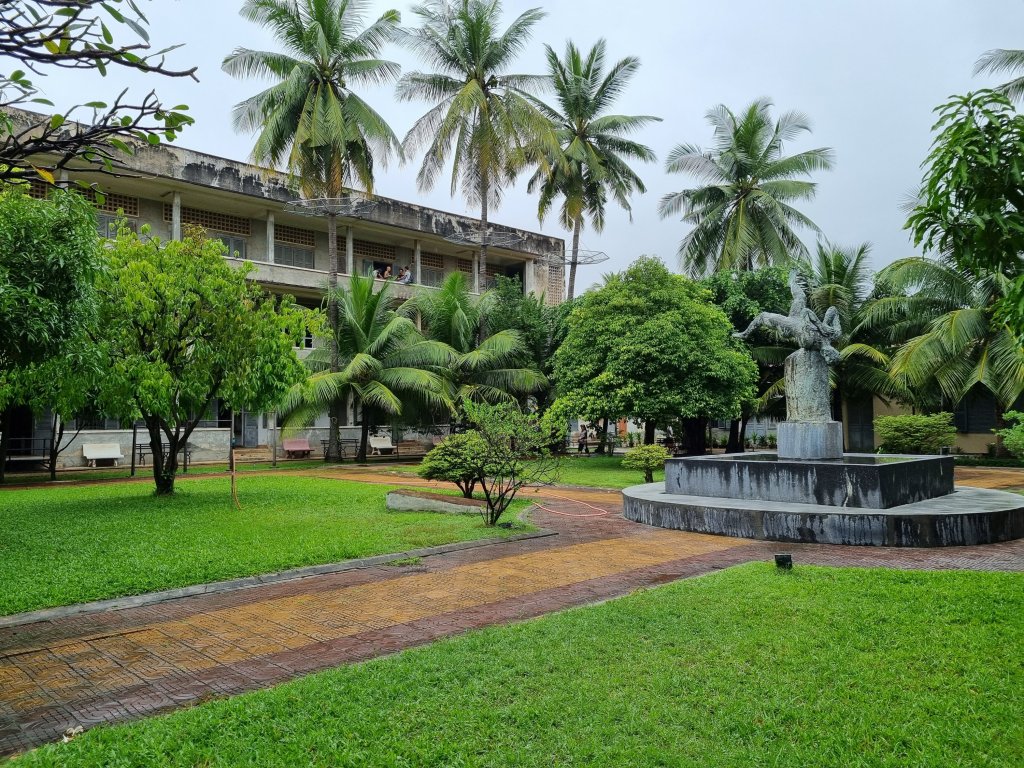
In other buildings there are extensive photographs of prisoners who had been at S-21 and torture equipment. However, one of the most unsettling displays is the last room, where some of the skulls of victims are displayed.
Following the museum, we went to Choeung Ek Genocidal Centre, or more known as the ‘Killing Fields’. It had been a Chinese cemetery before the Khmer Rouge used it as an execution ground, and there are still parts of the Chinese graves visible in the field.
Many executed here had been prisoners at S-21. They were blindfolded and driven to the fields at night time and buried in mass graves. There are scraps of clothing and rags still in the mud today from victims. It is estimated that 17,000 people were killed at these particular fields.
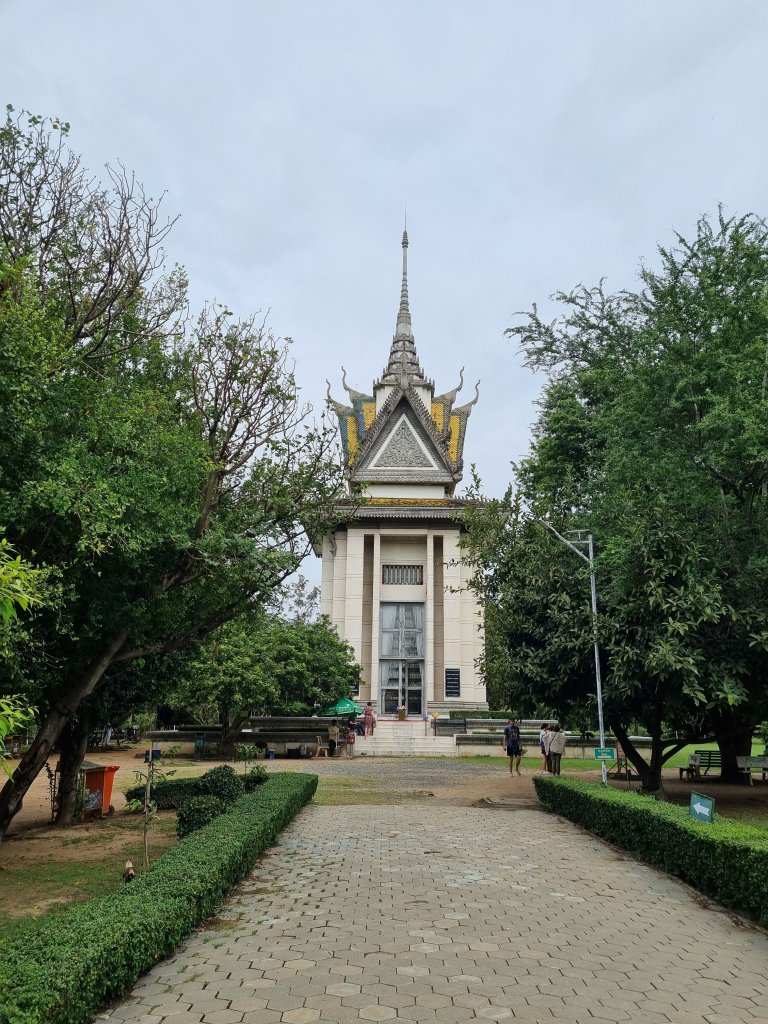
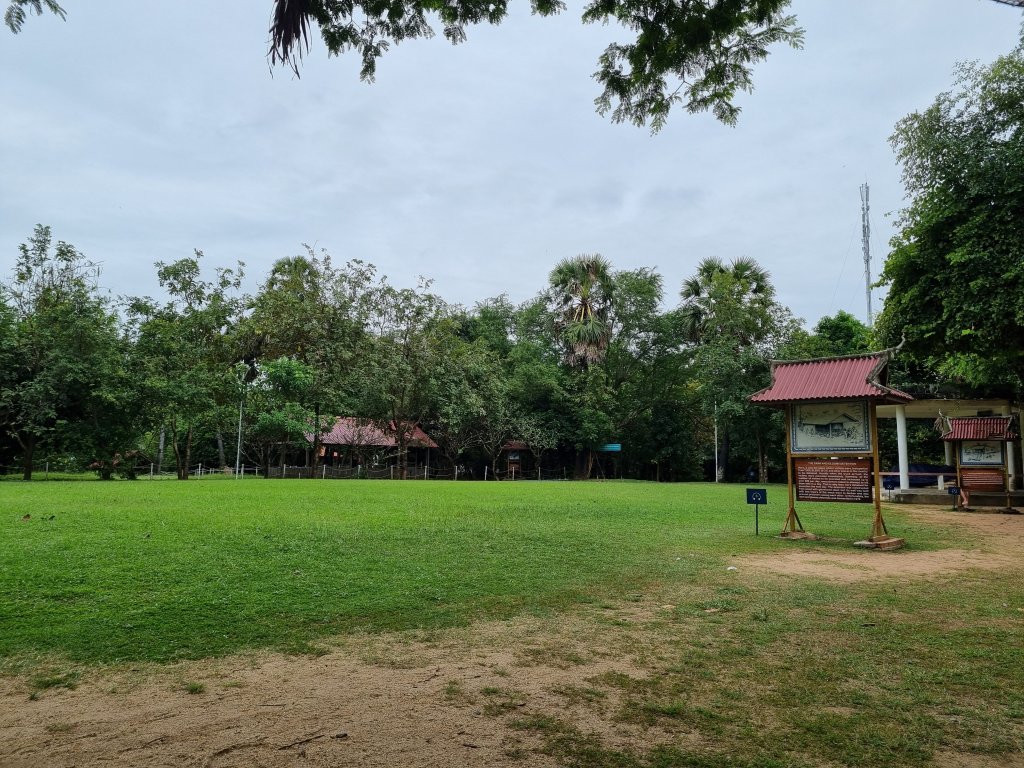
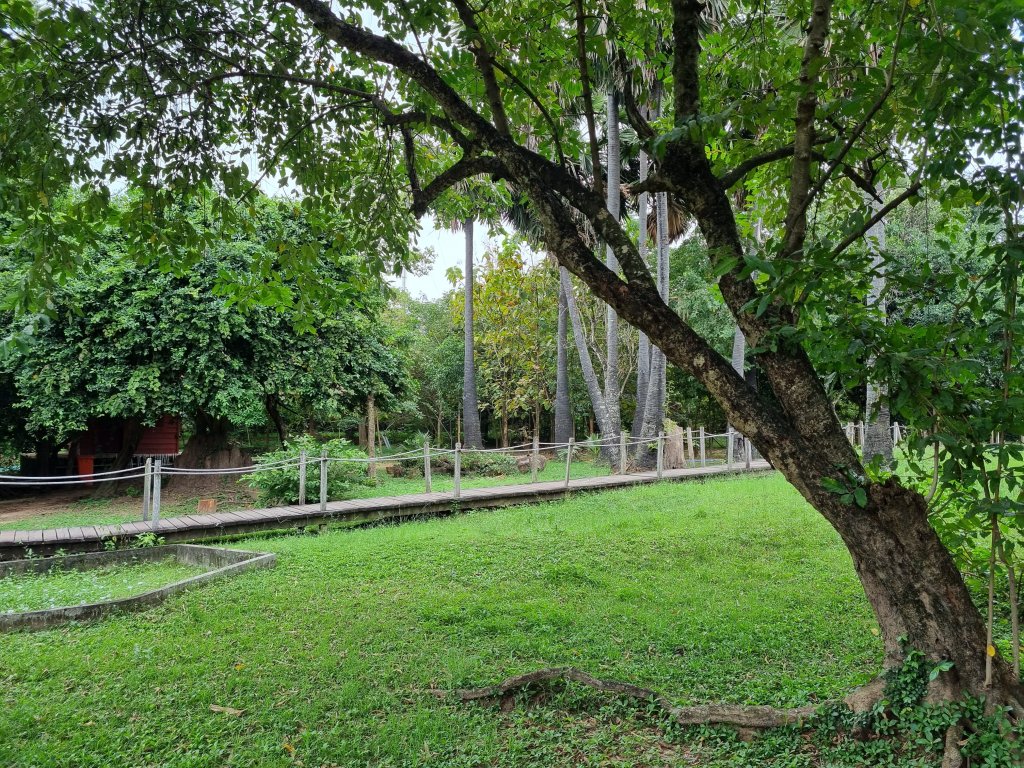
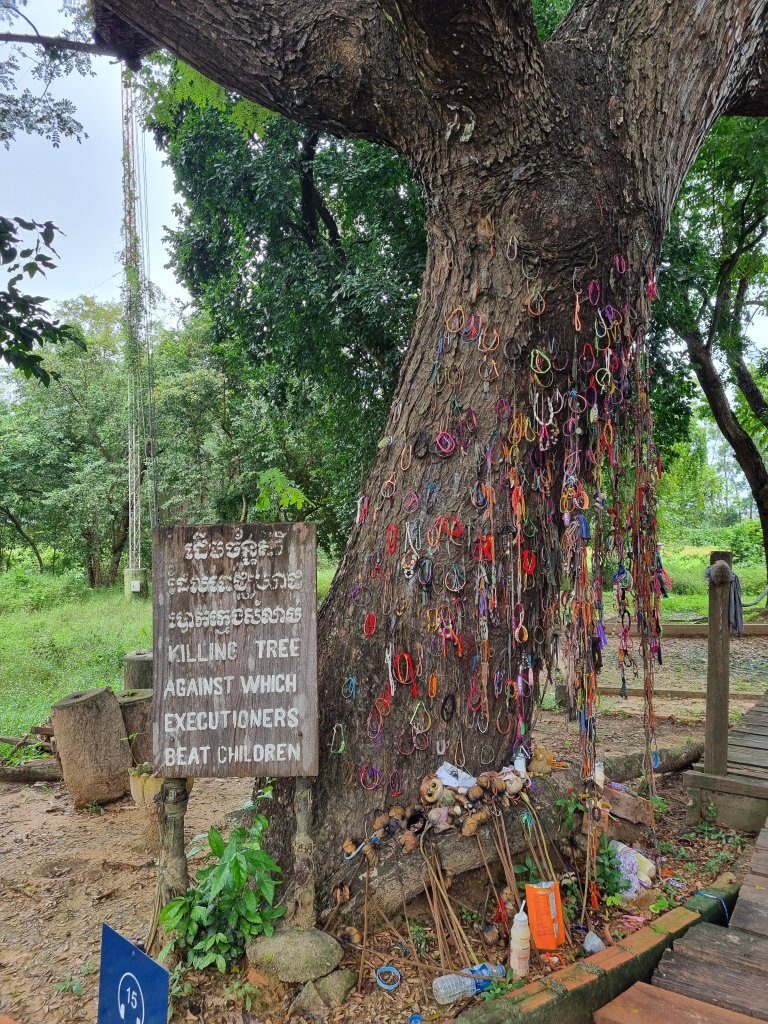
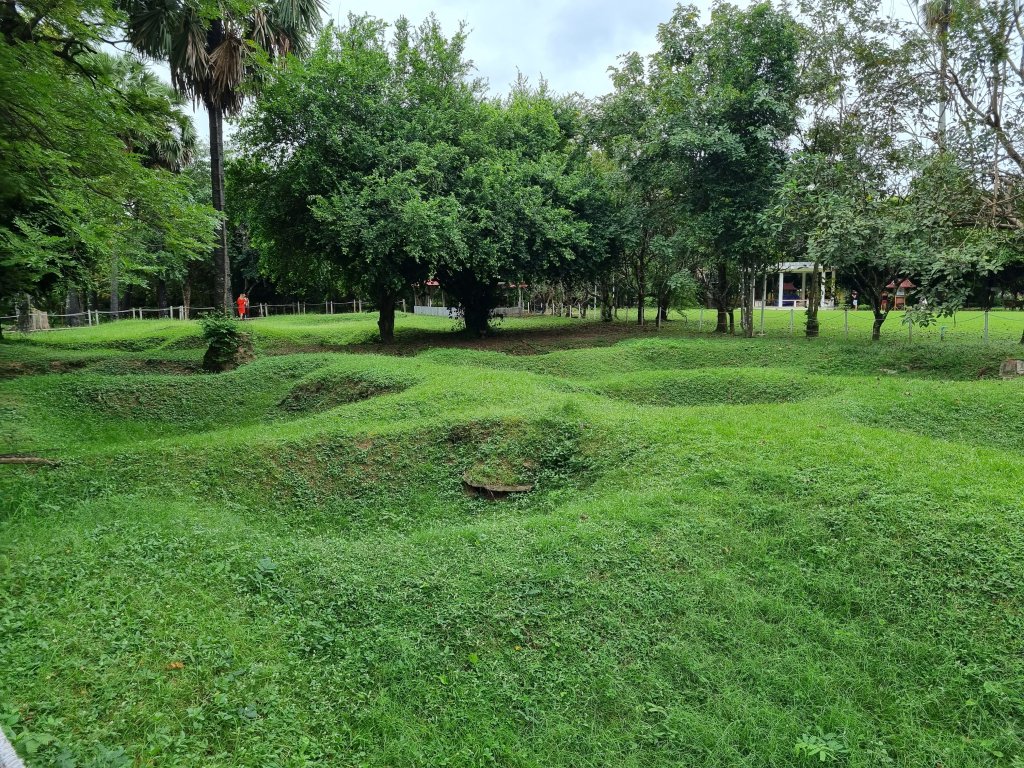
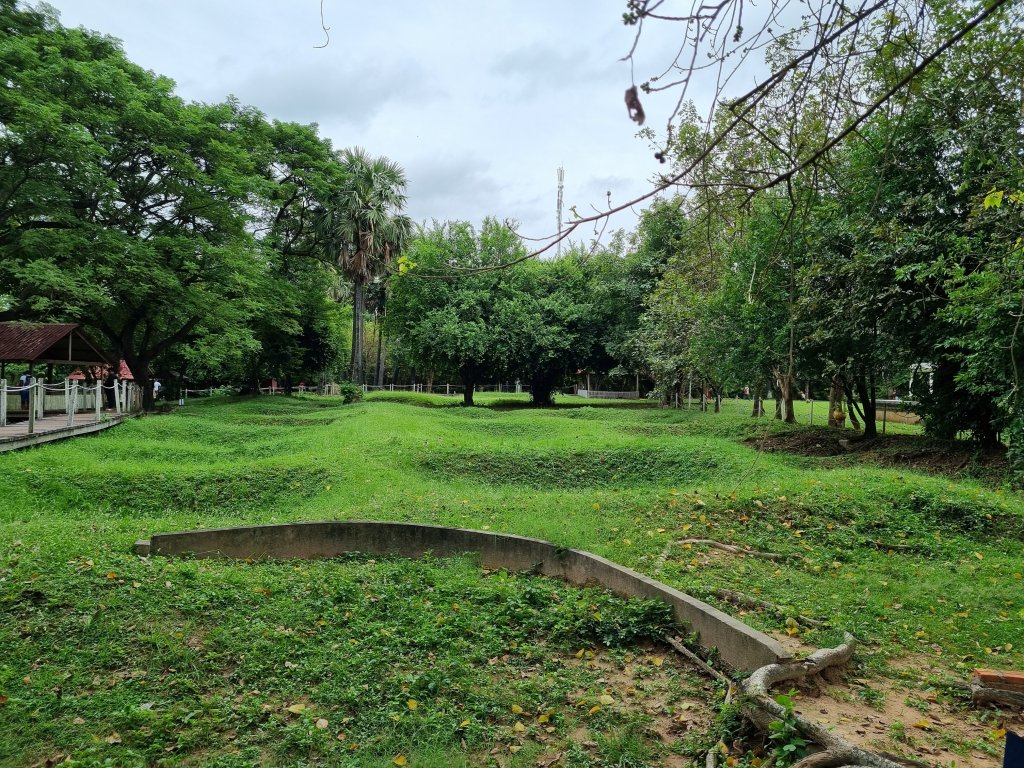
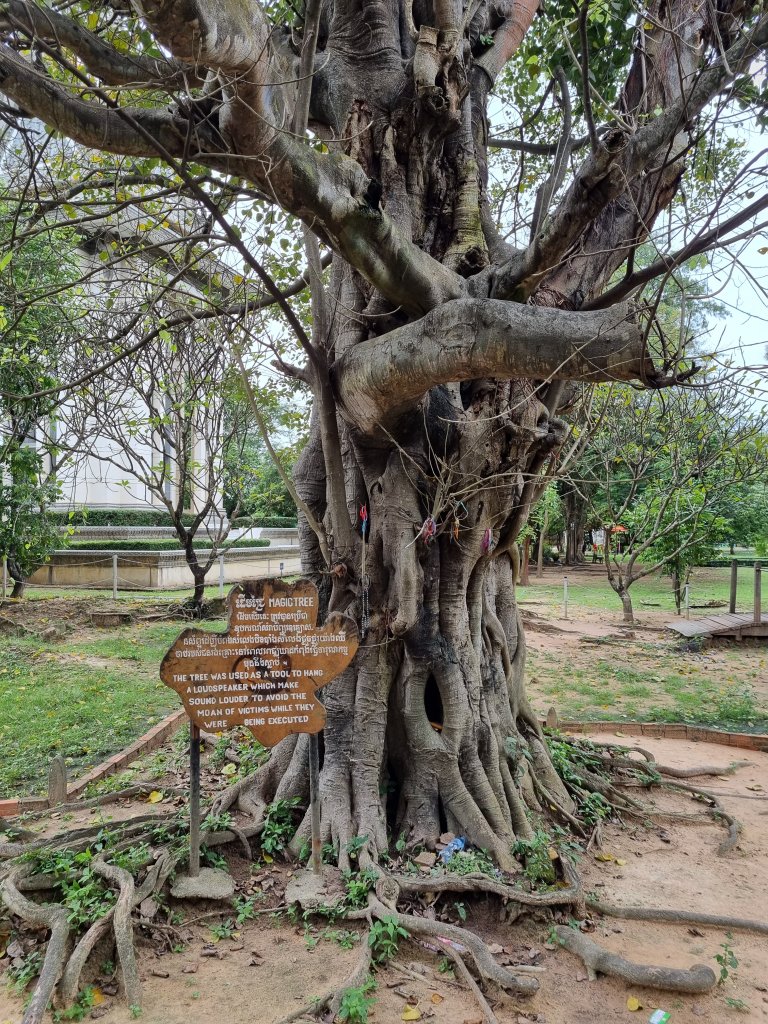
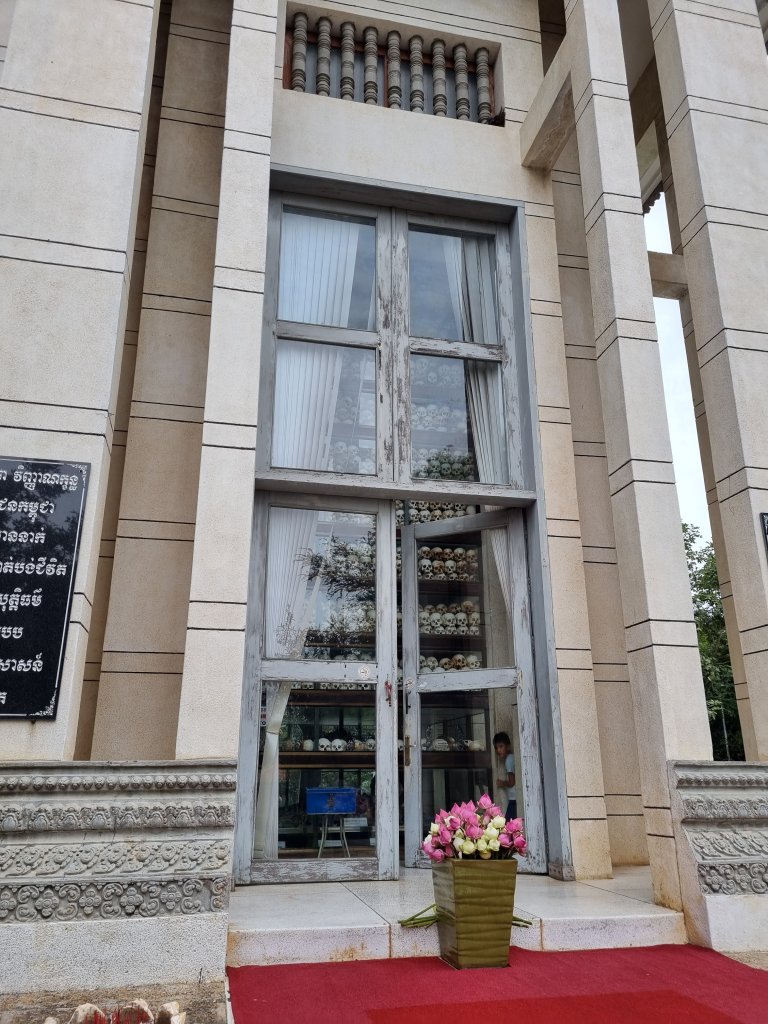
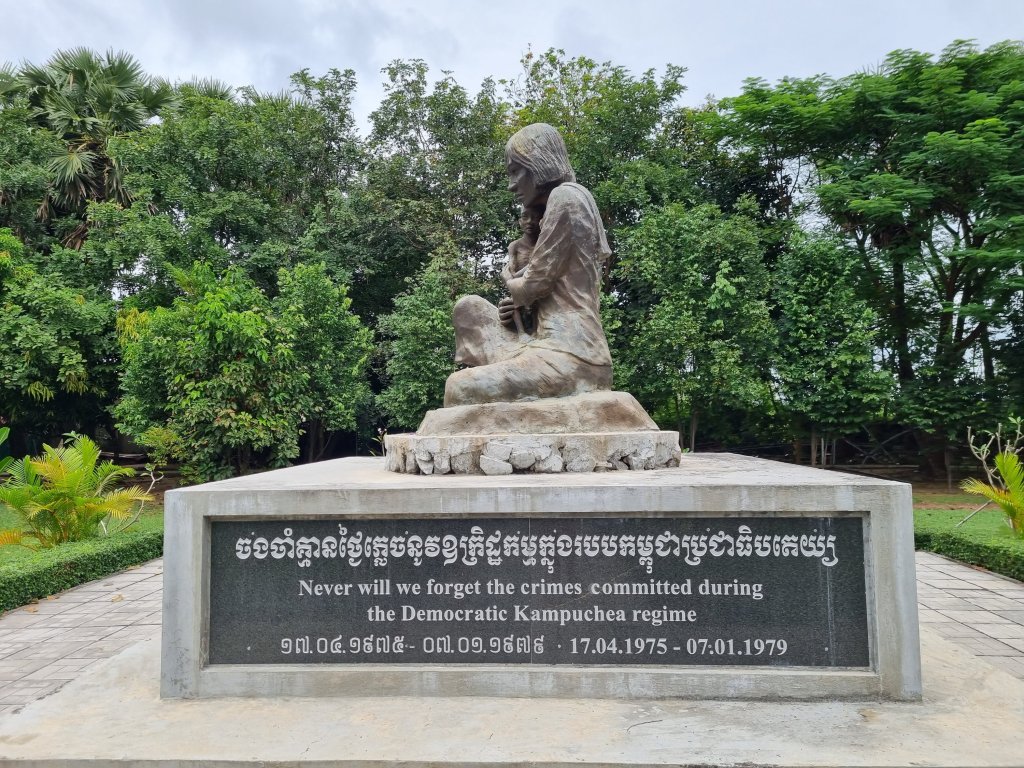
It rained during the day, which seemed to fit the mood and atmosphere. I hope this hasn’t been too difficult, and whilst this blog is more sombre than normal, I think it’s only right to share this experience.
Moving on, here are some pictures from around Phnom Penh.
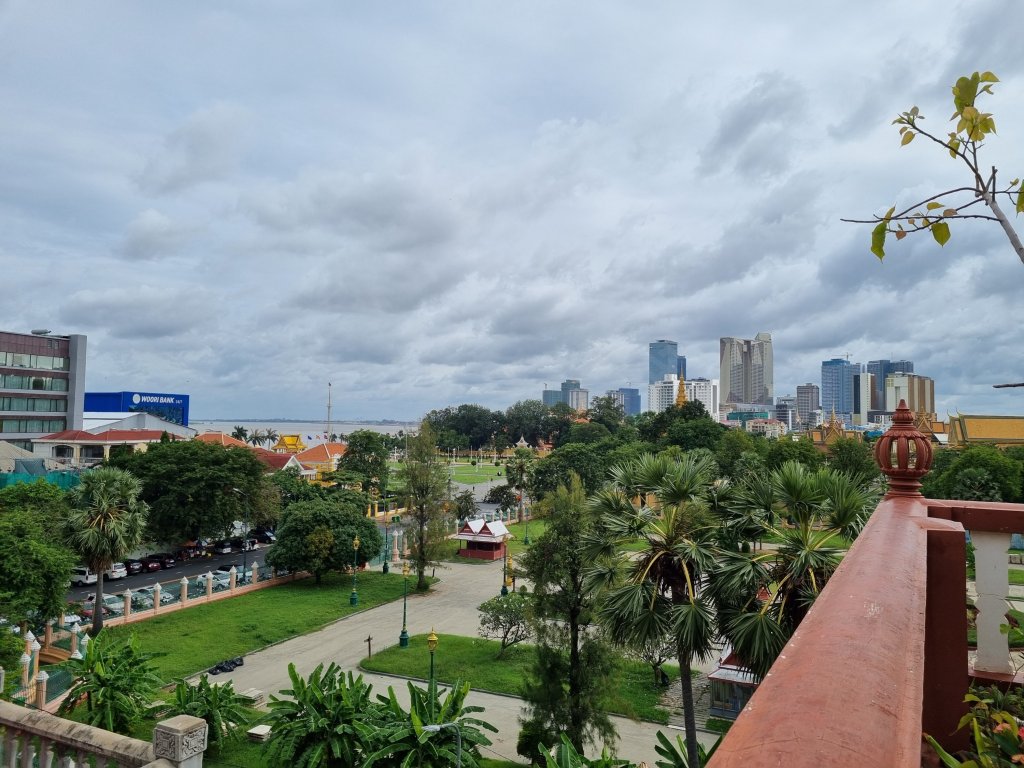
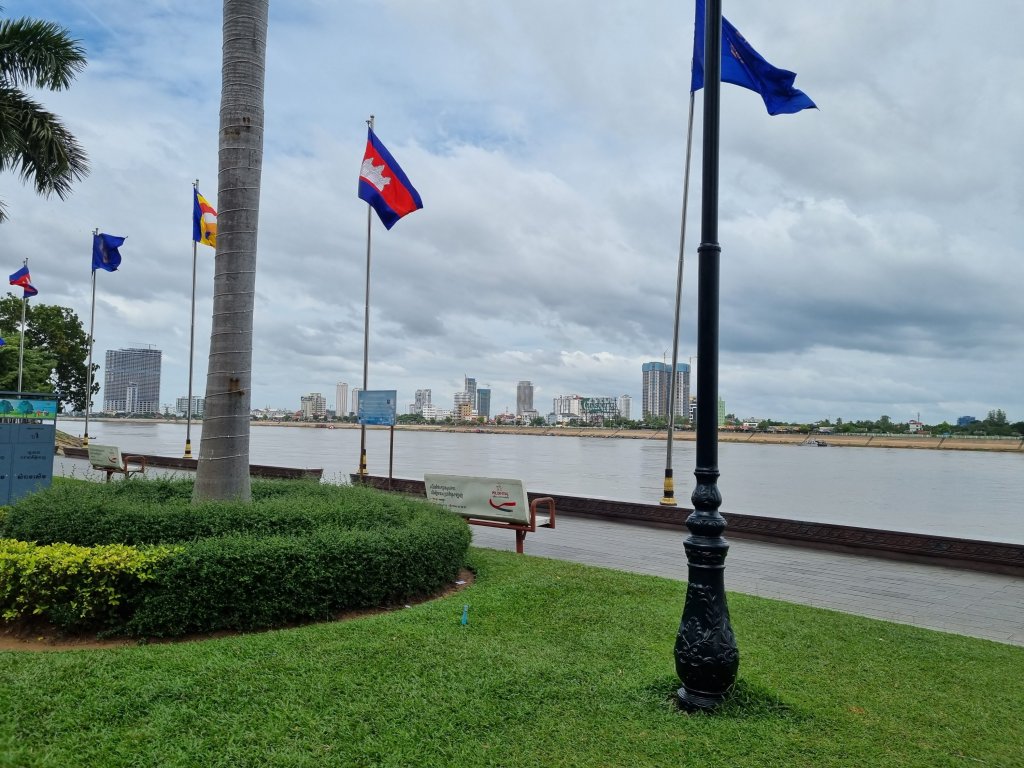
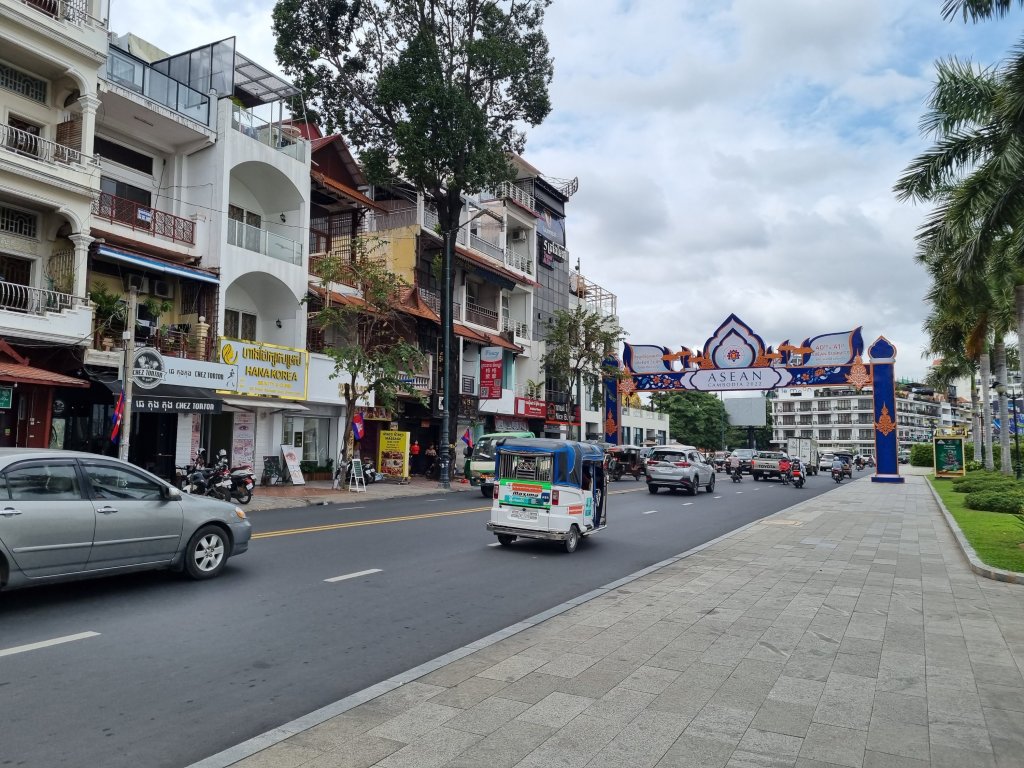
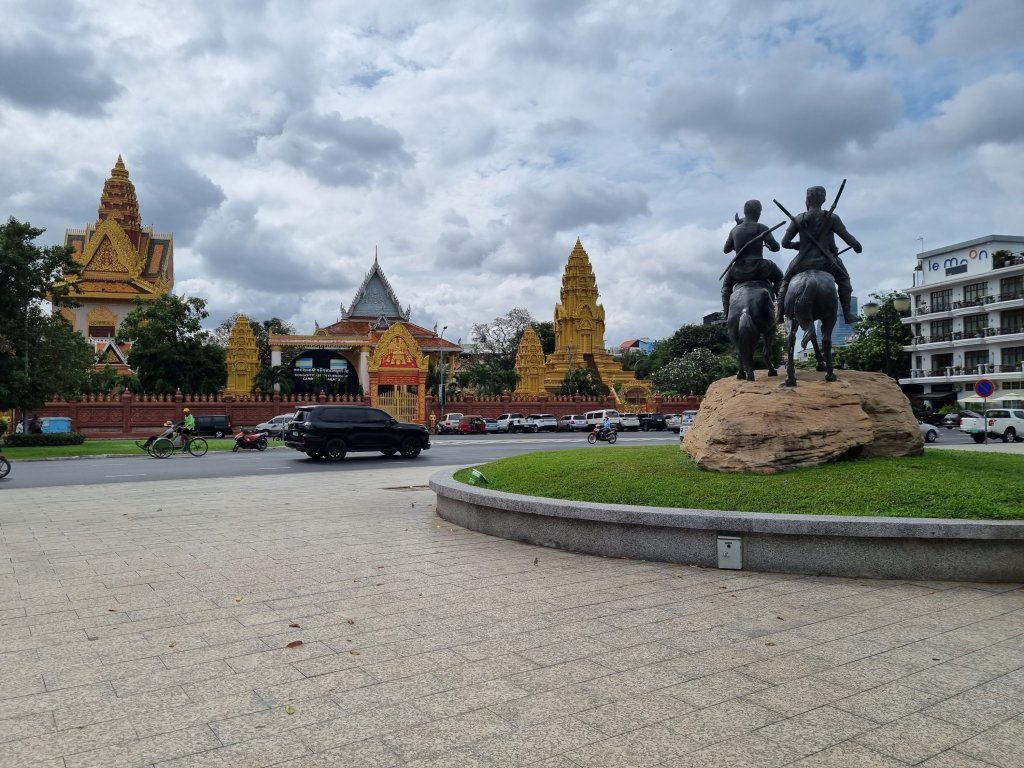
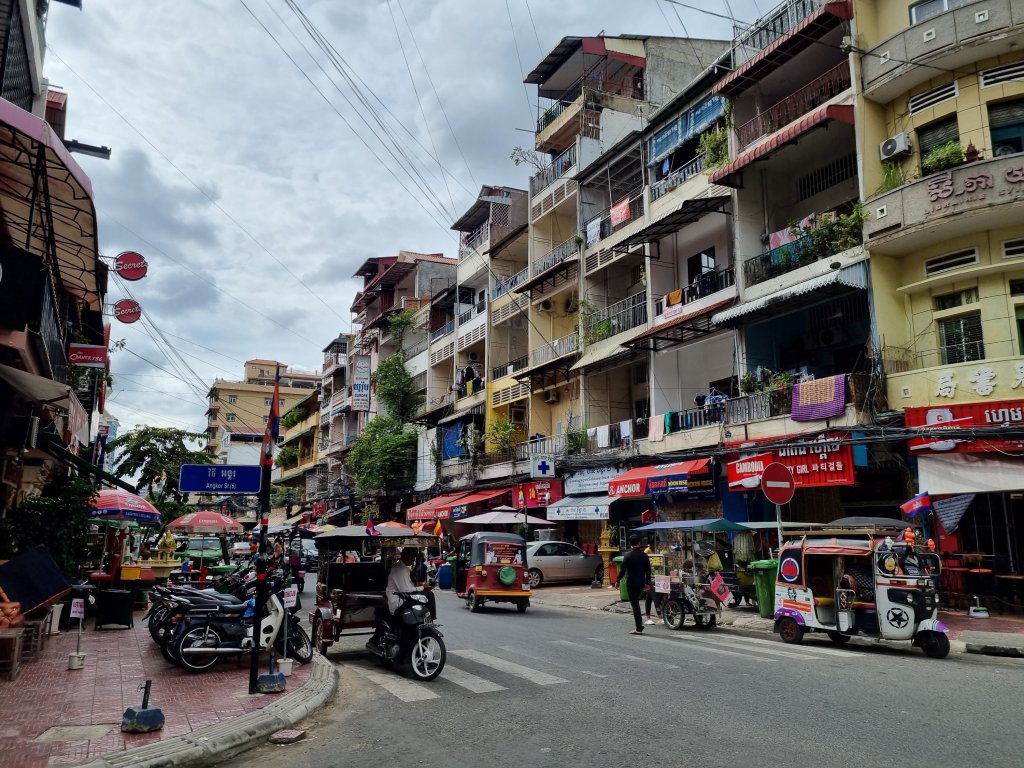
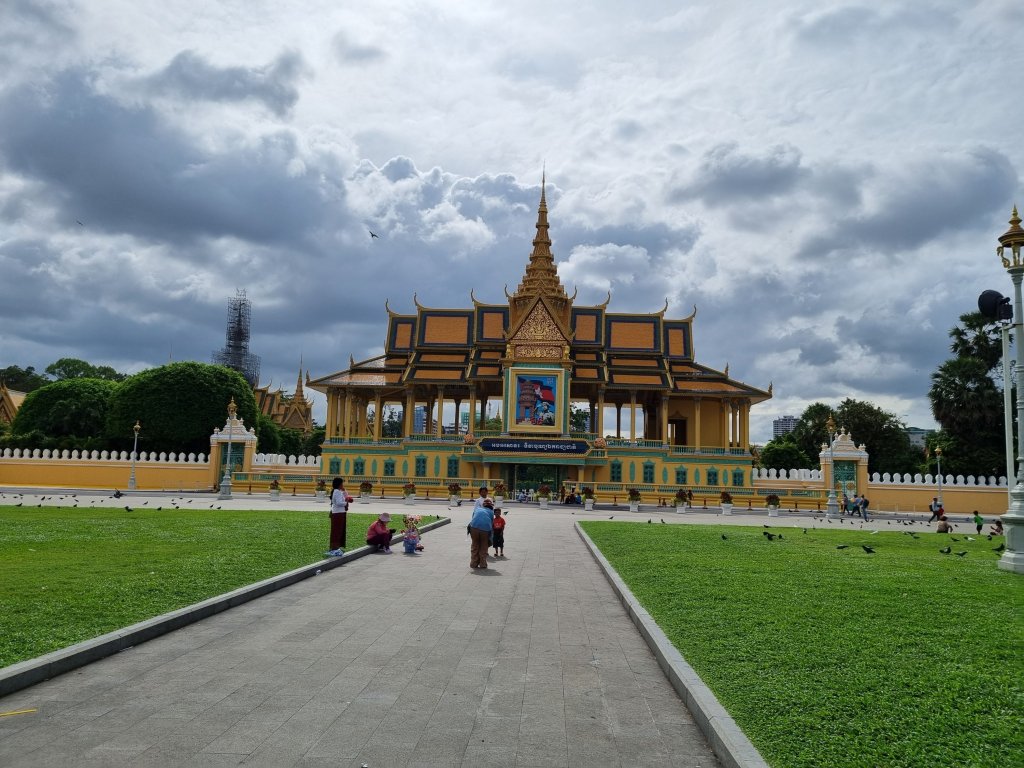
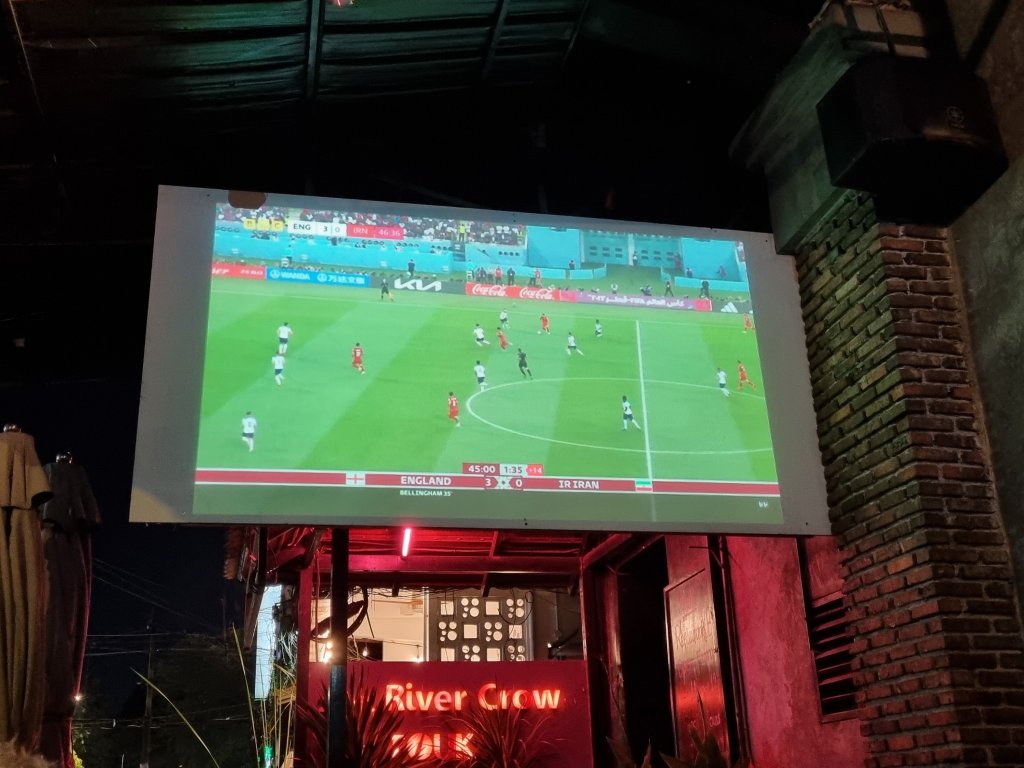
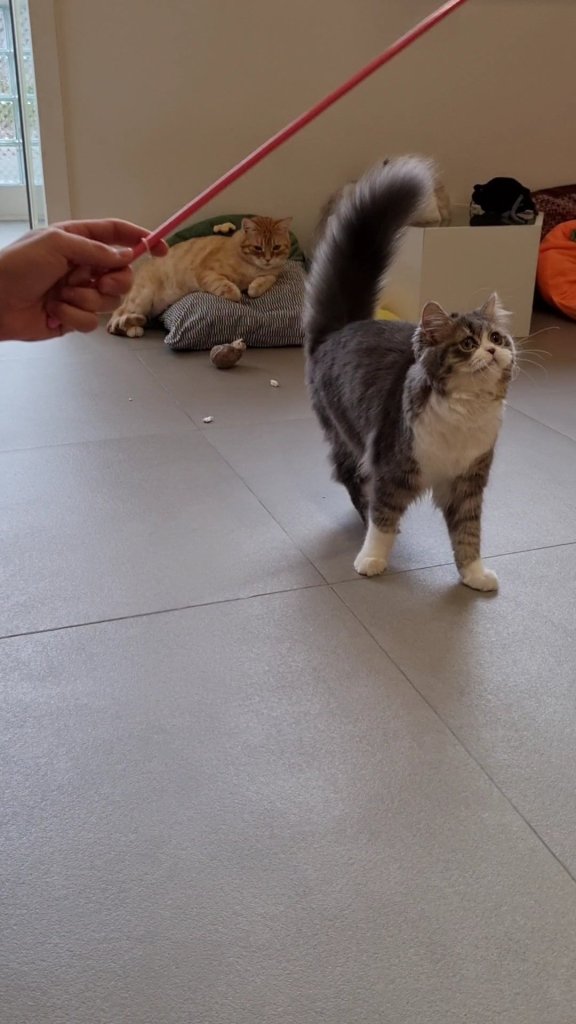
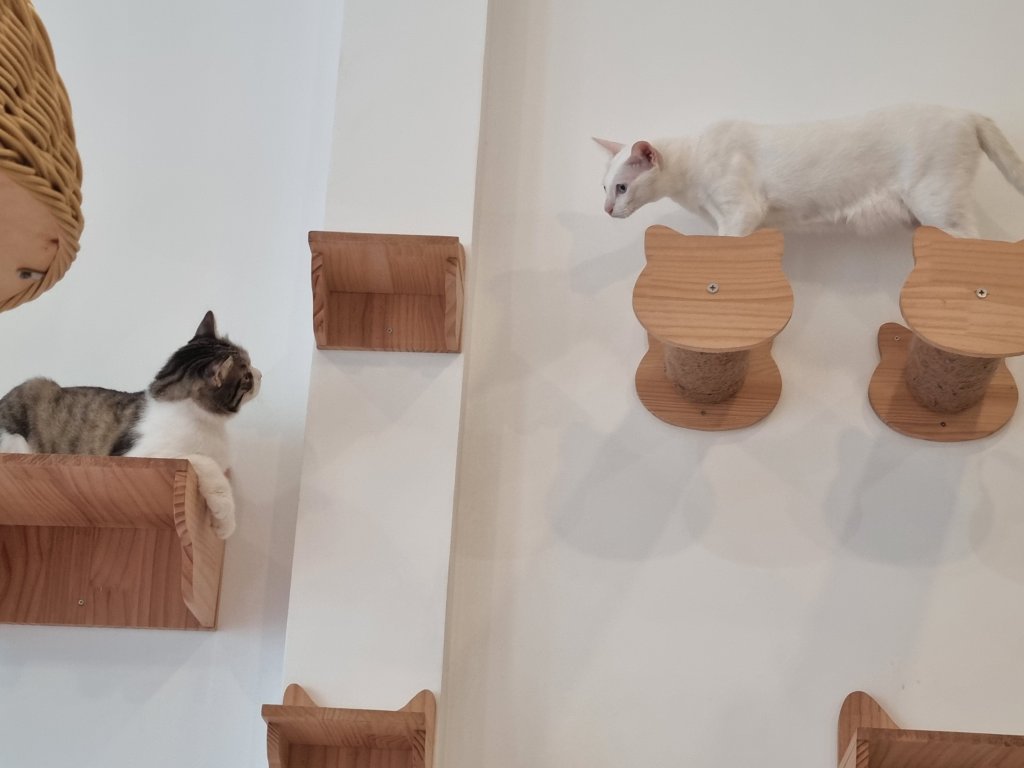
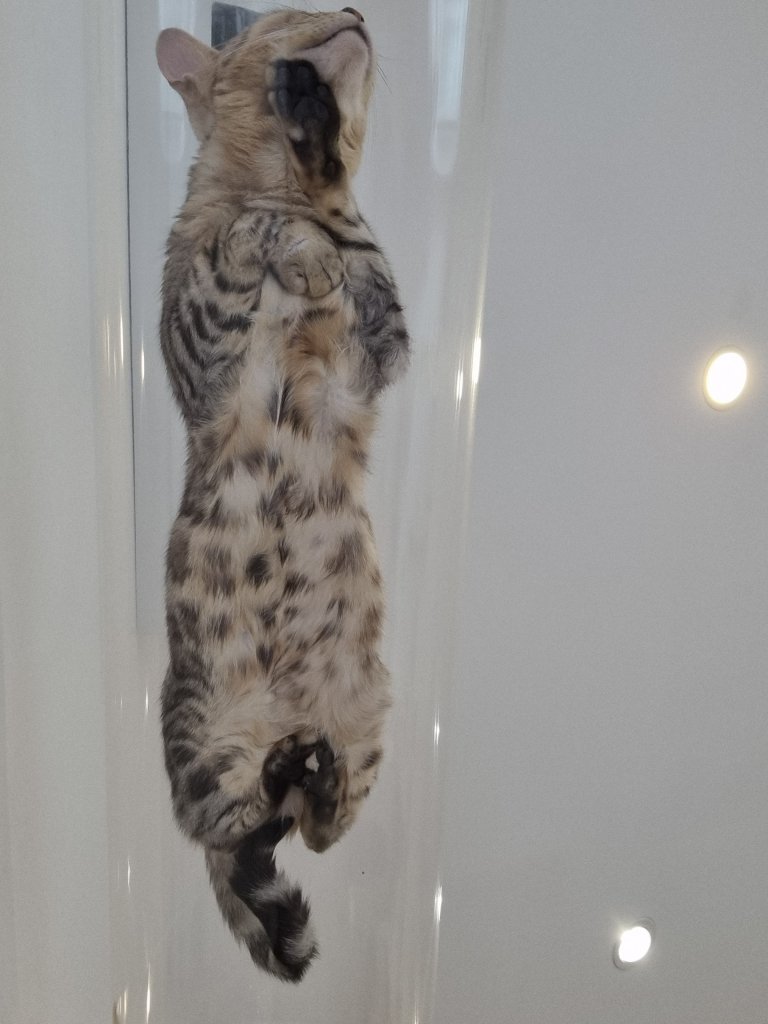
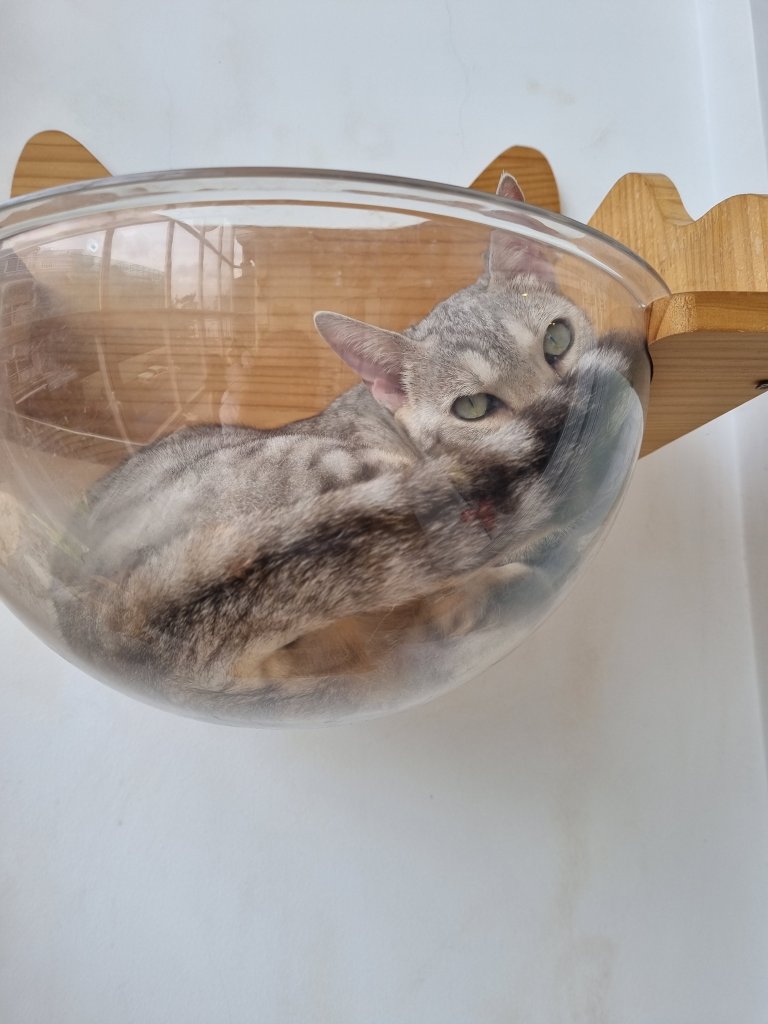
I must admit, Phnom Penh was one of my least favourite places we’ve been to. There is an area down by the river that is open, clean, and inviting. However, the rest of the city feels dirty, chaotic, and rushed. I’m glad we went to see the genocide museum and fields, but you really don’t need to spend much time there. That being said, there are a few cat cafes dotted around, and the temptation to spend some time playing with felines was too strong to ignore.

Instagram vs Reality
We’ve arrived in Sihounkville this evening, which is a city right on the coast. Here, there are ferries over to a few islands, so tomorrow we’re going to try and book in some journeys over. The journey here was hell – we took a 12 seater minivan that was packed with 16 people and air conditioning that didn’t work. It also took nearly two hours longer than it should have done, but we’ve arrived and are now ready for dinner and to crash early.
That’s all from us for now, lots of love, Caitlin and Luke
 Caitlin and Luke's Travel Diary